How to Find Internet Services That Suit Your Needs and Budget
Updated: Aug 10, 2022
Written byMoneymax Editorial Team
Choosing an internet plan isn't just about finding the fastest connection or the cheapest monthly fee. The right internet service should match how you actually use the internet: from streaming and online work to running a growing small business.
With so many plans, speeds, and features available, it can be easy to pay for more than you need, or choose a connection that struggles to keep up with your daily activities. Before subscribing, consider your internet usage, number of users and devices, online activities, and monthly budget.
Here's how to find an internet service that fits your needs.
What is Mbps and Why is it Important?
When comparing internet plans, one of the first numbers you'll encounter is Mbps, or megabits per second. It refers to the rate at which data can be transferred over your internet connection.
In simple terms, a higher Mbps generally means your connection can handle more data at a faster rate. This can be especially useful when several people or devices are using the connection at the same time.
For example, browsing websites and checking email typically require less bandwidth than activities such as video conferencing, streaming, gaming, or uploading large files.
However, don't automatically assume that the highest Mbps is the best choice for you. A faster plan may cost more, so consider what you'll actually use it for.
How Much Internet Data Do You Need?
Your data needs depend on what you do online and how frequently you do it. Activities such as browsing, email, messaging, and light social media use generally consume less data than HD video streaming, large downloads, video calls, gaming, and frequent file uploads.
If you're choosing between a capped and unlimited plan, think about how predictable your usage is.
Capped Data Plans
Capped plans come with a specific amount of data that you can use within a given period. These may work if your internet usage is relatively light or predictable. However, you need to keep track of your consumption to avoid running out of data or needing additional data.
Unlimited Data Plans
Unlimited plans allow you to use your connection without a set monthly data cap, subject to the provider's terms and conditions.
This can be useful for households with multiple users or businesses that regularly rely on the internet for work, communication, transactions, uploads, and other online activities.
For frequent internet users, an unlimited broadband plan may also make budgeting easier because you don't have to constantly calculate how much data you have left.
Running a Business? Consider a Connection Built for Success
For business owners, choosing an internet plan isn't just about getting enough speed for browsing or streaming. Your connection may also power video calls, large file transfers, online orders, digital payments, cloud tools, social media, and other day-to-day operations.
If you're running a business from home or a small storefront, consider an internet plan that can keep up with those demands.
What Makes Converge Micro BizMAX Worth Considering?
Converge Micro BizMAX is designed for microenterprises and offers fiber connectivity with unlimited data.
Up to 400 Mbps: Handle video calls, large file transfers, and heavy uploads more smoothly with speeds of up to 400 Mbps. This can be useful when multiple business activities are happening at the same time.
100% Unlimited Fiber: No data caps, throttling, or hidden limits to worry about. An unlimited fiber connection can help you stay connected to the tools and platforms your business relies on throughout the day.
Engineered for Micro & Small Businesses: Whether you're running an online shop from home, managing a small office, or operating a storefront, a business-focused connection can better match the connectivity demands of a growing operation.
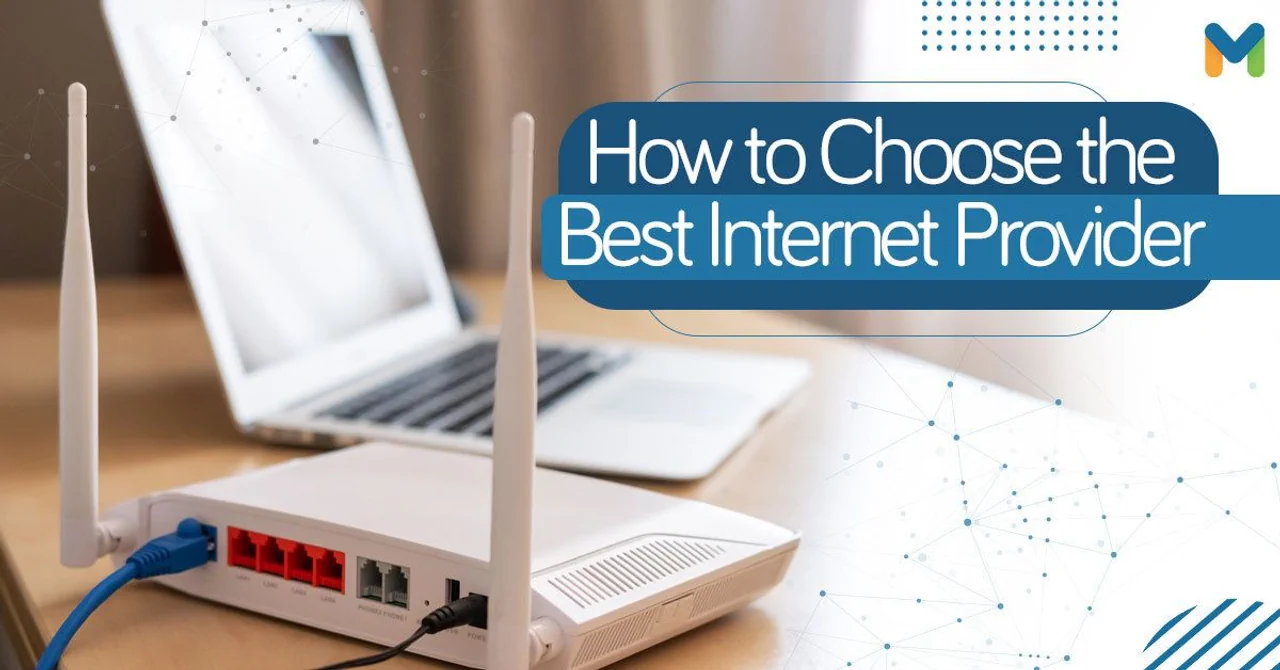
How to Choose an Internet Provider: 5 Questions to Ask
Before signing up for an internet plan, ask yourself these five questions.
1. What Will You Use the Internet For?
Start with the most important question: What do you actually need your internet connection to do? Are you mainly browsing, streaming, gaming, or staying connected with friends? Do you work from home and regularly join video calls? Or are you running an online shop or small business? Your answer can help determine the speed, data allowance, and features you need.
For businesses, the internet may support much more than browsing. It can be part of everyday operations, from processing online orders and digital payments to communicating with customers, managing cloud-based tools, uploading content, and connecting multiple devices.
2. How Many People and Devices Will Use the Connection?
The number of users and devices sharing your connection matters.
A household with one or two users who mostly browse and stream may have different needs from a family where everyone is online at the same time. The same applies to businesses. A small online shop may have several phones, laptops, POS devices, cameras, and other equipment connected throughout the day.
Make a quick list of the devices that need internet access. This can give you a better idea of the type of connection your household or business actually needs.
3. What Online Activities Will You Do?
Not all online activities use the same amount of bandwidth. Consider the activities you'll do regularly, such as:
-
Browsing websites and social media
-
Streaming movies and music
-
Video calls and online meetings
-
Online gaming
-
Downloading and uploading large files
-
Managing an online store
-
Processing digital payments
-
Using cloud-based business tools
-
Uploading photos and videos
-
Managing social media pages
If you regularly do several of these activities at once, a faster and more reliable connection may be worth considering.
4. What Devices Need to Stay Connected?
Think beyond your smartphone and laptop. Depending on your setup, your internet connection may also support smart TVs, tablets, printers, POS systems, CCTV cameras, gaming consoles, smart appliances, and other connected devices.
For businesses, this becomes even more important as operations become more digital. The more tools you rely on, the more important it is to have a connection that can keep up with your day-to-day activities.
Also remember that your internet plan isn't the only factor that affects performance. Older devices, router placement, Wi-Fi interference, and your home or business setup can also affect your actual experience.
5. How Much Can You Budget for the Internet Each Month?
Finally, set a realistic monthly budget. Instead of choosing a plan based solely on its advertised speed, compare the features you're actually getting for the price.
Consider:
-
Monthly service fee
-
Speed
-
Data allowance
-
Installation fees
-
Contract or lock-in period
-
Additional fees
-
Business-specific features, if applicable
-
Upgrade options as your needs change
For businesses, it can also help to think of the internet as an operating expense rather than simply another household bill. If your connection supports sales, payments, customer service, or other essential operations, reliability and capacity may be worth factoring into your business budget.
There's no single internet plan that's right for everyone.
A student who mainly uses the internet for research and streaming will have different requirements from a family with several connected devices. Likewise, a small business that depends on online orders, digital payments, social media, and cloud tools may need a connection built around more demanding day-to-day operations.
The goal isn't to find the most expensive or fastest plan. It's to find a connection that can comfortably support the way you live or work.

Choose a Connection That Keeps Up With You
Choosing an internet service starts with understanding your needs.
Think about what you'll use the connection for, how many people and devices will connect, what online activities you'll do, and how much you can comfortably spend each month. Then compare plans based on more than just their advertised Mbps.
For households, that could mean finding a plan that supports everyone's everyday activities without unnecessary costs. For micro and small businesses, it can also mean looking for a business-focused connection that can support daily operations and scale with the business.
The right internet connection isn't simply about getting online. It's about having the connectivity you need to work, serve customers, stay productive, and keep moving forward.
About the author
Moneymax Editorial Team
The Moneymax Editorial Team consists of talented and experienced writers, editors, investors, and subject matter experts on a mission to help Filipinos build healthier financial lives. Browse the Moneymax blog for information and advice on credit cards, loans, insurance, investments, and other personal finance topics.
Related articles