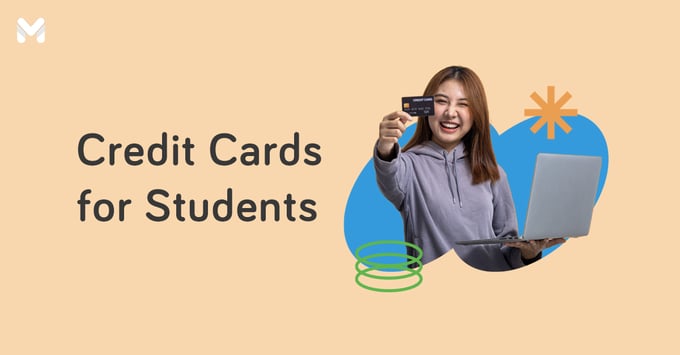
Who says credit cards are for adults only? Students can also get a credit card of their own. While getting approved for a primary credit card can be challenging for full-time students, there are still several ways young adults can access and benefit from credit. Depending on their situation, students may qualify for a supplementary credit card under a parent or guardian's account or apply for a secured credit card backed by a deposit. They can also get approved for certain entry-level credit cards if they have part-time employment or freelance income.
The key is understanding which options are available and choosing one that matches their financial circumstances. When used responsibly, a credit card can be more than just a payment tool — it can help students learn valuable money management skills early in life. However, it also comes with responsibilities, including paying bills on time and avoiding unnecessary debt.
In this guide, we'll explore the different credit card options available to students in the Philippines, the requirements and eligibility criteria to expect, tips for improving approval chances, and practical advice on using a credit card responsibly while still in school.
Can a Student Apply for a Credit Card in the Philippines?
-Jun-21-2024-08-37-48-9320-AM.png?width=600&height=400&name=Pics%20for%20blog%20-%20600x400%20(2)-Jun-21-2024-08-37-48-9320-AM.png)
The short answer is yes — but it depends on the type of credit card and whether you meet a bank's eligibility requirements. While there are very few credit cards specifically designed for students in the Philippines, young adults may still have several options available depending on their age, income, and financial situation.
Minimum Age Requirements
Most banks require primary credit card applicants to be at least 21 years old, although some issuers accept applicants as young as 18. Beyond age, banks typically look for proof that an applicant has a regular source of income and the ability to repay borrowed funds.
Why Income Matters
Credit cards are a form of borrowing, which is why banks assess an applicant's capacity to pay before approving an application. In most cases, you'll need to submit documents such as:
- Proof of employment
- Payslips or income tax returns
- Bank statements
- Other supporting financial documents
For full-time students without a steady income, meeting these requirements can be difficult.
How to Get a Credit Card for Students
Find out what types of credit cards students can get:
👉 Supplementary Cards
The easiest way to get a credit card for a student is for the parent or guardian to apply for a supplementary card. Students can enjoy the same benefits as the primary credit card. Note that the credit limit will be shared, so the secondary cardholder should be aware of proper and responsible spending.
👉 Secured Credit Cards
For parents, if your child has a bank account, call your bank and apply for a secured credit card. They won't ask you for income documents, but will instead set the credit limit depending on the deposit. The bigger the savings, the bigger the credit limit.
👉 Low-Income Credit Cards
If your child has a part-time job, they can apply for a low-income credit card. With a small income, they can easily meet the requirements of the most basic credit cards. Plus, these credit cards usually come with little to no additional fees.
Pros and Cons of Getting a Credit Card for Students in the Philippines
-Jun-21-2024-08-39-06-8578-AM.png?width=600&height=400&name=Pics%20for%20blog%20-%20600x400%20(3)-Jun-21-2024-08-39-06-8578-AM.png)
Should a student get a credit card? Weigh the advantages and disadvantages to make a wise decision:
👍 Helps Build Credit History Early
Once your child enters the real world, they’ll find that a good credit history serves as a badge of honor and opens the door to loans with good rates.
They can start building a good credit history by being a responsible cardholder.
👍 Teaches Good Financial Habits
A credit card teaches you to be mindful of your spending. Remind your child that if they don’t track their purchases and pay bills on time, they’ll find themselves covering penalties.
Plus, responsible cardholders get to enjoy higher credit limits down the line.
👍 Earns Rewards
Depending on the type, credit cards can earn points, airline miles, and rebates. Your child can use these rewards to treat themselves. For instance, they can exchange points for gift vouchers and exclusive merchandise.
👍 Helps Deal With Emergencies
A credit card can help students deal with unexpected school expenses, such as supplies, books, and even field trips.
For fairness’ sake, here are some of the drawbacks of getting a credit card for students in the Philippines:
👎 May be Confusing to Use at First
Since it’s full of jargon, the Statement of Account (SOA) may confuse your child. Make sure to sit them down and explain how certain things, like interest rates, work.
👎 Low Credit Limit
Credit cards for students in the Philippines tend to have low credit limits. Students with little to no income are typically considered high-risk clients.
👎 Can be Tempting to Use All the Time
With its convenience, your child may be tempted to use it for every transaction. A plastic card can give them a false sense of financial freedom.
Best Credit Cards for Students in the Philippines
Ready to find the best credit card for students? Here are your top options:
| Credit Card for First-Timers | Features and Benefits |
|
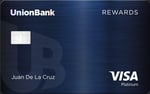
UnionBank Rewards Credit Card
  |
|
|
Metrobank Titanium Mastercard®
 |
|
|
BPI Rewards Card
 |
|
|
BPI Rewards Card
 |
|
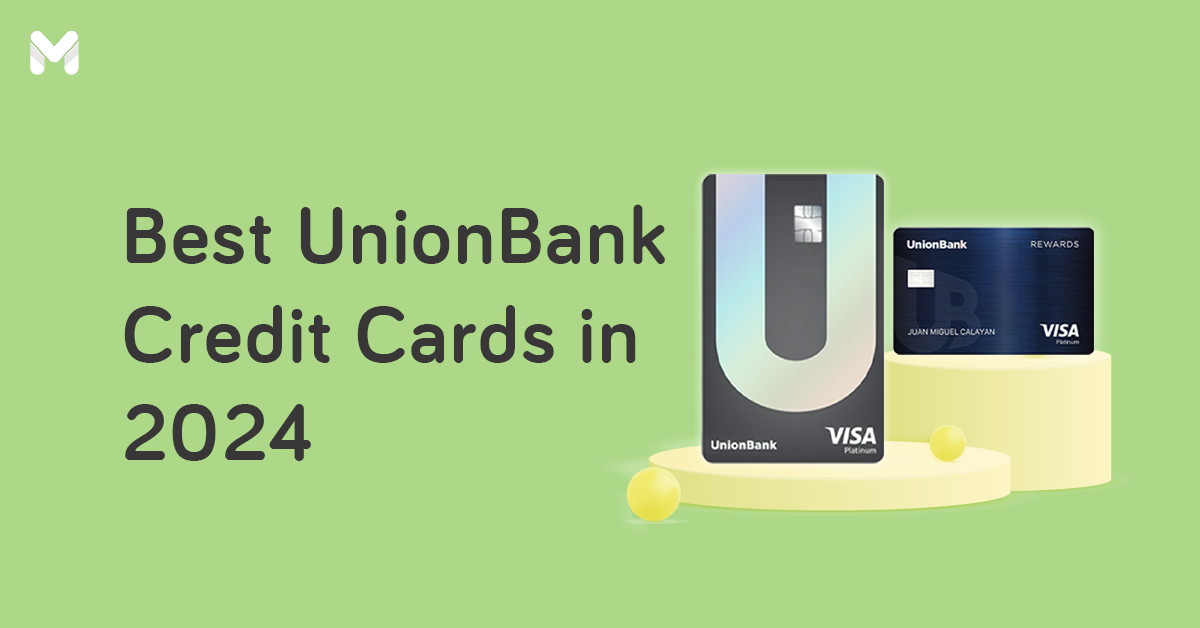
UnionBank Rewards Credit Card
_1200x628_CTA_Blog.png?width=600&height=314&name=UB_CC_Rewards_-_Generic_1_(Dec_2024)_1200x628_CTA_Blog.png)
✅ Minimum monthly income requirement: ₱15,000
📌 Key features and benefits:
- 1 rewards point for every ₱30 spend
- 3X points for shopping and dining transactions here and abroad
- Virtual card for online shopping
If you want a student credit card that makes spending rewarding, the UnionBank Rewards Credit Card is worth looking at. Every ₱30 spend earns 1 rewards point. Earn up to 3x points for shopping and dining transactions.
Once your child earns enough points, they can redeem gadgets, merch, and cash credits.[1]
Read more: UnionBank Credit Card Welcome Gifts for Music and Coffee Lovers
Metrobank Titanium Mastercard®
_1200x628_CTA.png?width=600&height=314&name=UPDATE___MB_Titanium_-_NAF_(Apr_2025)_1200x628_CTA.png)
✅ Minimum monthly income requirement: ₱15,000
📌 Key features and benefits:
- 1 rewards point for every ₱20 spend
- 2x points on online, department store, and dining transactions
- Exclusive discounts and promos
The Metrobank Titanium Mastercard® is a great credit card for students. With this card, earn 2x points for department store and online purchases, such as school supplies.[2] The points don’t expire, so your child can let them accumulate and use them when they’re ready.
Read more:
HSBC Red Mastercard
_1200x628_CTAfff.png?width=600&height=314&name=HSBC_CC_Red_-_Generic_1_(Dec_2024)_1200x628_CTAfff.png)
✅ Minimum monthly income requirement: ₱17,000
📌 Key features and benefits:
- 4x bonus points on online, shopping, and dining transactions
- Up to 6% rebate on fuel purchases
- Travel privileges at more than 27,000 establishments across 160 countries, regions, and territories
Student credit cards don't have to be boring. Get the HSBC Red Mastercard as a supplementary card for your child. They can get up to 4x rewards with every swipe!
If your child drives to school, they can also get up to a 6% rebate on fuel spend.
Security Bank Fast Track Secured Credit Card
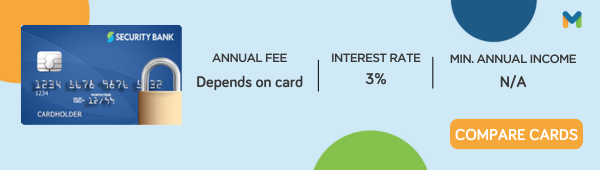
✅ Minimum deposit requirement: ₱25,000
📌 Key features and benefits:
- No annual fee for the first year
- Credit limit is at 80% of the holdout amount
- Rewards points for every transaction (applies to Gold and Platinum Mastercard only)
- Fast processing in three banking days
Secured credit cards are a good way to start your child’s credit card journey. For starters, you can open a bank account for them at Security Bank and apply for a secured credit card afterward. With only a ₱25,000 minimum deposit, they get a credit card to use for school-related purchases.
BPI Edge Card
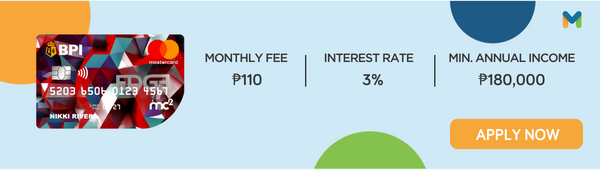
✅ Minimum monthly income requirement: ₱15,000
📌 Key features and benefits:
- Waived annual fee on the first year
- 1 BPI Rewards Point per ₱50 spend
- 0% installment
Marketed as a credit card for young professionals, the BPI Edge Card can also work as a reliable college student credit card. One of its most appealing points is its multiple installment options, such as 0% installment, Buy Now Pay Later, and extra installment limit with its Bonus Madness Limit.
BPI Amore Cashback Card
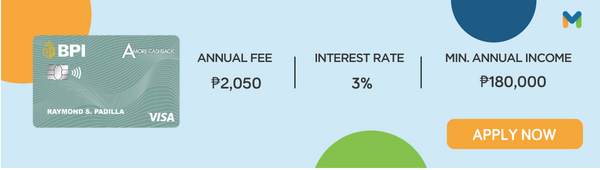
✅ Minimum monthly income requirement: ₱15,000
📌 Key features and benefits:
- 4% cashback on supermarket purchases
- 1% cashback on drug store and utility-related transactions
- 0% installment
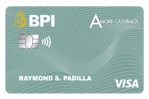
The BPI Amore Cashback Card is one of the best college student credit cards, especially for those living away from home in a dorm. Your child can use this card for groceries and other household needs to earn 4% cashback. Meanwhile, they can earn 1% cashback on utilities, personal care purchases, and health essentials.
BPI Rewards Card

✅ Minimum monthly income requirement: ₱15,000
📌 Key features and benefits:
- 1 BPI Rewards Point per ₱35 spend
- Exclusive discounts and promos all year round
- Lower forex conversion rate
The BPI Rewards Card is not just a household credit card—it can double as a college student credit card, especially for those living on their own. Every ₱35 spend earns 1 BPI Rewards Point. Points can be used to redeem shopping credits, gift vouchers, airline miles, and more.
If your child has an upcoming school trip abroad, they can pay for purchases using this card and enjoy a low conversion rate of 1.85%
PNB Ze-Lo Mastercard
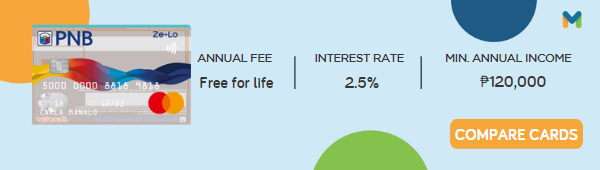
✅ Minimum monthly income requirement: ₱10,000
📌 Key features and benefits:
- No annual fee for life
- No late payment and overlimit fees
- Low interest rate
- 0% installment at PNB-affiliated merchants
- No annual fee for life for supplementary cards
The PNB Ze-Lo Mastercard is the perfect credit card for college students. Your child can access a credit line without needing to pay annual fees—forever!
If your child can’t settle the bill right away, the PNB Ze-Lo Mastercard fortunately doesn’t impose late payment fees.
PNB Visa Classic
.png?width=600&height=170&name=PNB%20Visa%20Classic%20(1).png)
✅ Minimum monthly income requirement: ₱10,000
📌 Key features and benefits:
- 1% rebate on revolved interest
- Low annual fee
- No annual fee for life for supplementary cards
With its low income requirement, the PNB Visa Classic is the working student’s perfect credit card. Other than earning rebates, this card allows cardholders to convert their credit limit into cash in case of unexpected expenses.[3]
AUB Secured Credit Card
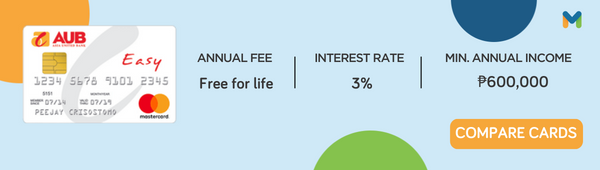
✅ Minimum deposit requirement: ₱25,000
📌 Key features and benefits:
- No annual fees for life
- No income document required
- Credit limit is at 80% of the holdout amount
If your child has savings, you can open a bank account at AUB and apply for an AUB Secured Credit Card. While you may find its minimum deposit requirement a bit high, you'll be rewarded with waived annual fees for life. Any student can easily manage this credit card.
Read more: Moneymax Reviews: Comparing AUB’s Budget-Tier Credit Cards
How Students Can Improve Their Chances of Credit Card Approval
Getting approved for a credit card as a student can be challenging, especially if you have little to no credit history or a limited source of income. However, there are several steps you can take to improve your chances of approval and find a credit card that matches your financial situation.
Apply Only for Cards That Match Your Income
One of the most common reasons credit card applications get rejected is applying for a card with income requirements that are too high. Before applying, check the card's eligibility criteria and minimum income requirement. If you're a working student, focus on entry-level credit cards that are designed for first-time cardholders.
Complete All Requirements
Missing or incomplete documents can delay the application process or lead to outright rejection. Before submitting your application, make sure all forms are properly filled out and that you have provided all required supporting documents. Double-check details such as your name, address, contact information, and employment or income information.
Build a Banking Relationship First
Banks may be more comfortable extending credit to customers who already have an existing relationship with them. If you maintain a savings account, payroll account, or time deposit with a bank, the institution may already have a record of your financial activity and cash flow. For students who are not in a rush to get a credit card, opening and actively using a savings account can be a good first step toward establishing financial credibility.
Avoid Multiple Applications in a Short Period
It may be tempting to apply for several credit cards at once to increase your chances of approval, but doing so can have the opposite effect. Multiple applications within a short period may signal financial distress or credit-seeking behavior to lenders. Instead, research your options carefully, identify the card that best fits your profile, and submit a well-prepared application.
Responsible Credit Card Tips for Students
Getting approved for a credit card is only the first step. Learning how to use it responsibly is even more important. Here are tips for students on how to be responsible with their credit card:
-
Treat Your Credit Card Like Cash: A good rule of thumb is to only charge purchases that you can afford to pay in full when your bill arrives. If you wouldn't buy something using cash from your allowance or income, think twice before putting it on your credit card.
-
Pay Your Balance in Full Every Month: Paying only the minimum amount due may keep your account in good standing, but it can also lead to interest charges that make purchases more expensive over time. By paying your statement balance in full every month, you can avoid interest charges altogether and use your credit card more efficiently.
-
Set a Monthly Spending Limit: Creating a personal spending cap can help prevent overspending and make your credit card easier to manage.
-
Use Your Card for Planned Expenses: Credit cards work best when used for purchases you've already budgeted for. Rather than using your card for impulse purchases, consider charging predictable expenses such as books and school supplies, transportation, and tuition-related payments.
- Monitor Your Transactions Regularly: Regularly reviewing your transactions can help you stay on top of your spending and quickly identify any unauthorized charges.
Final Thoughts
Financial responsibility doesn't require a certain age. It's never too early to start being responsible when it comes to finances. While finding the best credit card for students is important, qualifying for a card that fits their financial situation is even more crucial. Many students may not immediately qualify for a traditional credit card, but alternatives such as supplementary and secured credit cards can provide a valuable introduction to responsible credit use.
More importantly, a credit card should be viewed as a financial tool rather than a source of extra spending power. The lessons you learn from managing a credit card responsibly today can benefit you long after graduation.

Sources:
 Back to Blog