What Your Credit Score Really Means — and Why You Should Know It
Updated: May 22, 2026

Written byMoneymax CCAP Editorial
Ask many Filipinos about credit, and the answers can feel mixed. Some see credit cards as something intimidating because they might lead to debt. Others see loans as something you only get in an emergency. However, some avoid credit completely because they think, “Basta wala akong utang, okay na ako.” But here is the truth: credit is not automatically good or bad. It is a tool. Used wisely, it can help you pay for important needs, manage cash flow, build a financial record, and access better opportunities. Used carelessly, it can become stressful and expensive.
At the center of this conversation is your credit score. It may sound like something only banks care about, but it can affect very real Filipino life goals: getting approved for a credit card, buying a motorcycle for work, applying for a home loan, expanding a small business, or handling an emergency without relying on 5-6 or informal borrowing.
Related: How to Check and Improve Your Credit Score in the Philippines
What is a Credit Score?
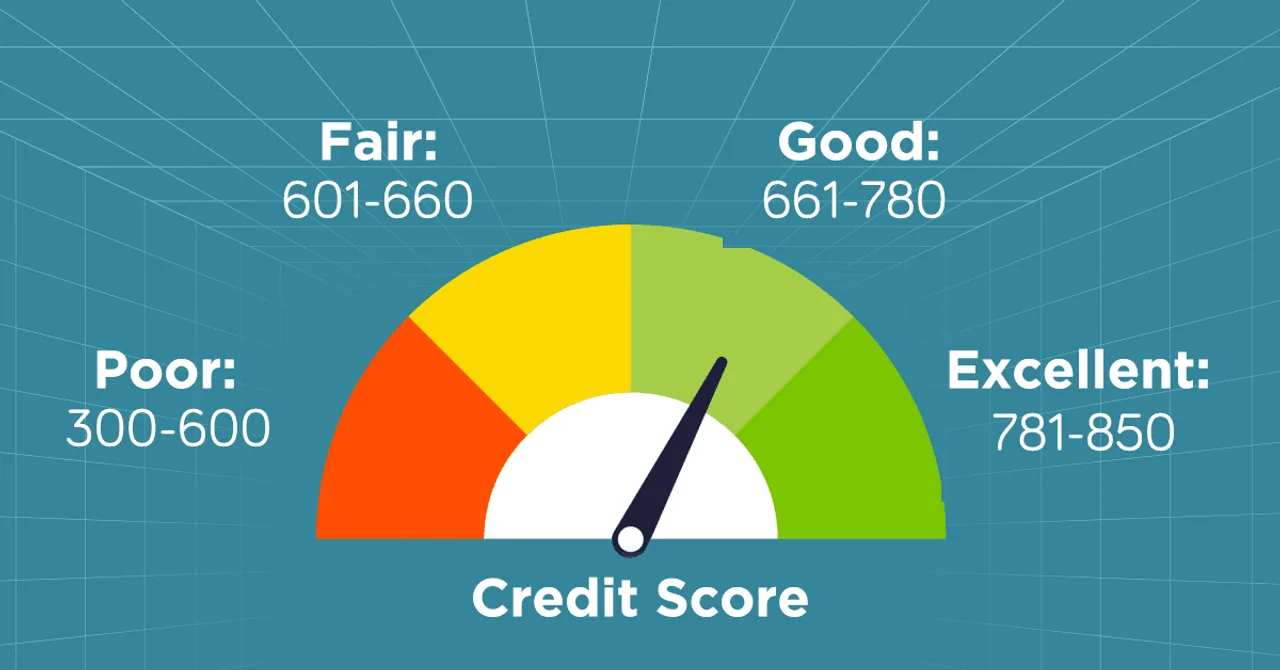
A credit score is a three-digit number that gives lenders an idea of how likely you are to repay borrowed money. In the Philippine credit information system, the CIC (Credit Information Corporation) explains that a credit score may range from 300 to 850, with a higher score generally indicating stronger perceived creditworthiness.
Think of your credit score as your financial reputation. If you consistently pay your bills in full on time and manage debt responsibly, lenders may see you as a lower-risk borrower. On the other hand, frequent missed payments or unpaid balances can negatively affect your score.
For example, imagine two employees who both earn ₱25,000 monthly. One regularly pays their credit card balance on time, while the other frequently misses due dates and only pays the minimum amount. Even if their salaries are similar, their credit standing may be very different.
Why should ordinary Filipinos care?
Many Filipinos only think about credit when they need money urgently. But your credit profile is built over time, not overnight.
Let’s say you are a young professional. You want your first credit card so you can manage groceries, medicines, and occasional online purchases. Or maybe you are a delivery rider in Cebu who wants to finance a better motorcycle. Maybe you are a parent planning to buy a laptop for your child’s school needs through installment. Maybe you run a sari-sari store and want extra capital before the Christmas season.
In these situations, a lender may look at your credit history and score to understand whether you have handled credit responsibly before.
Your credit score can influence:
1. Your chances of getting approved
Banks and lenders use credit information to help decide whether to approve credit card, personal loan, auto loan, housing loan, or business loan applications.
2. Your loan amount and credit limit
For credit cards, Philippine law recognizes that issuers determine credit limits based on factors such as the cardholder’s credit standing and financial capacity.
3. How confident lenders feel about you
A stronger credit profile may help show that you pay as agreed. This can make you look more reliable when applying for financial products.
4. Your own peace of mind
Knowing your score helps you avoid guessing. Instead of wondering, “May chance kaya ako ma-approve?” you can understand where you stand and what habits to improve.
That is what credit confidence means: not borrowing blindly, not fearing credit completely, but knowing how credit works so you can make better decisions.
What affects your credit score?
Different credit bureaus and lenders may use different scoring models, but the basic idea is usually the same: your score reflects how you manage credit.
Here are the habits that commonly matter.
1. Paying on time
This is one of the most important habits. Late or missed payments can hurt your credit profile because they suggest repayment risk.
CCAP reminds cardholders to pay their credit card bill in full, on or before the due date, to avoid additional charges. It also notes that paying on time can help improve your credit score and keep your card in good standing.
For everyday Filipinos, this means planning around payday. If your due date falls before your salary date, do not wait until the last minute. Set calendar reminders. Use online banking, mobile wallets, or auto-debit if these help you stay consistent.
2. Paying more than the minimum
The minimum amount due can keep your account from becoming immediately past due, but paying only the minimum can make your balance more expensive over time. CCAP explains that unpaid balances are carried over and may be charged interest.
A good rule: use your card only for purchases you can afford to pay in full. If you swipe for groceries, gas, medicine, or school supplies, make sure the money is already part of your budget.
3. Keeping debt manageable
Even if you pay on time, maxing out your credit limit every month may still send the wrong signal. It can look like you are relying too heavily on debt.
For example, if your credit limit is ₱20,000 and your balance is always near ₱20,000, you may feel financially stretched. A better habit is to keep your spending comfortably below your limit and pay it off regularly.
This is especially useful during high-spending seasons like enrollment, Christmas, fiestas, or family travel. Plan ahead so your credit card does not become your default emergency fund.
4. Building a steady record
A good credit profile takes time. You do not need to borrow big amounts to build it. Small, responsible behavior matters.
For example, a first-time cardholder can use a credit card for regular expenses like groceries or utility bills, then pay the full amount before the due date. Over time, that creates a pattern.
Consistency is powerful. Paunti-unti, basta tuloy-tuloy.
5. Checking for errors
Your credit score is only as useful as the information behind it. If your report shows a loan that is not yours, a payment that was not updated, or incorrect personal details, you should take action.
The CIC says credit report errors may be disputed through its Online Dispute Resolution Process.
This is why checking your credit report matters. It is not about being paranoid. It is about protecting your financial reputation.
Related: New to Credit? How to Build a Good Credit Score from Scratch
What if your score is low?
Do not panic. A low score is not permanent. It is a signal, not a life sentence.
Start with these steps:
- List all your debts: Include credit cards, personal loans, salary loans, buy-now-pay-later balances, and informal debts. Write down due dates, minimum payments, interest rates, and total balances.
- Prioritize overdue accounts: Contact your bank or lender early if you are struggling. Hiding from the problem usually makes it worse.
- Pay at least the minimum on time: Although paying your credit card in full is ideal, pay the minimum amount on time, then work toward paying more. Additionally, avoid new spending while you reduce the balance.
- Check your report for errors: If something is wrong, file a dispute.
- Protect yourself from scams: CCAP strongly advises consumers not to share sensitive information such as online passwords, CVV, and credit card account numbers.
And remember: responsible lenders and collectors must follow rules. If you have concerns involving a BSP-supervised financial institution, the BSP Consumer Corner provides consumer protection resources and assistance channels.
For many Filipino families, money conversations are emotional. We talk about diskarte, utang na loob, emergencies, tuition, remittances, and bills. But we do not always talk about credit in a clear and practical way.
That is why financial literacy matters.
Knowing your credit score helps you understand how lenders may see you. Knowing your credit report helps you check whether your financial record is accurate. Knowing how to use credit helps you avoid unnecessary debt and build better options for the future.
Moneymax and CCAP share the same goal: to help more Filipinos make informed, confident, and responsible financial decisions. Visit Moneymax to compare credit cards, loans, and other financial solutions—so you can choose wisely, borrow responsibly, and move closer to your financial goals.
About the author

Related articles


Credit Limit vs Financial Limit in the Philippines: Which One Should You Follow?

Breaking the Cycle of “Cash-Only” Thinking: Why Building Credit History Matters