How to Take Care of Your Credit Score: 10 Habits to Keep Your Credit Healthy
Updated: Nov 23, 2026

Written byRina Bernardo
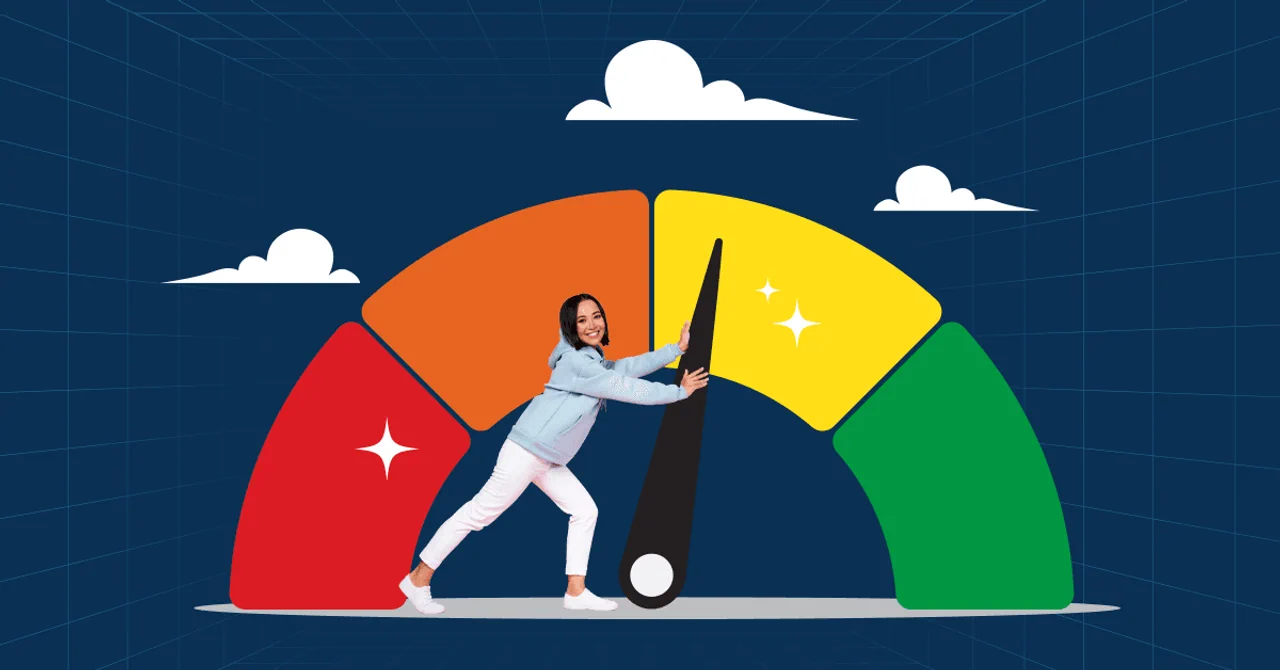
Your credit score is more than just a number. It can influence how lenders view your credit applications and how easily you can access financing for future goals. The good news is that taking care of your credit score doesn't require complicated strategies. Consistent, responsible credit habits can go a long way.
Think about it like maintaining your car. You don't wait for the engine to break down before changing the oil. In the same way, you don't have to wait until you're applying for a car loan, home loan, or another major financial product to start paying attention to your credit health.
Whether you're a first-time credit cardholder or already juggling several financial accounts, the goal is simple: use credit responsibly, keep your payments on track, and know what's on your credit report.
Related: What Your Credit Score Really Means — and Why You Should Know It
Why should you take care of your credit score?
Lenders may use your credit history and score when evaluating your applications for loans and other credit products. A healthy credit history makes it easier to show you manage borrowed money responsibly, which can matter when you're working toward major financial milestones.
The Credit Information Corporation (CIC) notes that people with good payment records may receive lower interest rates or access to more services than those with poor payment histories.
Think of your credit score as part of your financial reputation. The better you take care of it today, the more options you may have when your next big financial decision comes around.
What affects your credit score in the Philippines?
Your credit score is generally influenced by information in your credit history, including:
-
How consistently you pay
-
How much credit you use
-
How long you've had credit
-
The types of credit you maintain
-
How frequently you apply for new credit
This means your score isn't determined by one good or bad decision. It's shaped by patterns over time.
How can you take care of your credit score?

Pay bills on time
Make on-time payments your number-one credit habit. Payment history is an important part of your credit profile, and late payments can negatively affect your credit score. Set a calendar reminder, enroll in an automatic payment arrangement where available, or schedule the payment around your payday.
Keep credit utilization manageable
Credit utilization is the amount of revolving credit you're using compared with your available credit limit, and keeping it relatively low is generally better for your credit profile. A commonly cited guideline is to keep utilization around or below 30%, but don't treat 30% as a magic cutoff that guarantees a particular score.
Pay more than the minimum when possible
Paying more than the minimum amount due can help you reduce your balance and interest costs faster, although paying the minimum by the due date is what keeps an account from becoming delinquent.
Don't max out your cards
Avoid treating your full credit limit as money you can spend. A maxed-out card can leave you with less available credit and may signal heavy reliance on borrowed money.
Before a big purchase, ask: Can I afford to repay this without relying on another loan or card? If the answer is no, reconsider the purchase or look for a more manageable way to fund it.
Avoid unnecessary credit applications
Don't apply for multiple credit cards or loans simply because you're curious about getting approved. Instead of applying for five cards in one month because of welcome offers, for example, compare your options first and choose the card that genuinely fits your spending habits and financial goals.
Keep older accounts in good standing
An older, responsibly managed credit account can contribute to a longer credit history, so don't automatically close an old card without considering the consequences. Length of credit history is one factor that can affect your score.
Monitor your credit report
Checking your credit report helps you see what lenders and credit-reporting organizations have recorded about your credit behavior. Your report can include credit accounts, payment history, outstanding debts, and inquiries.
Check for and dispute errors
If you find incorrect or outdated information on your credit report, don't simply accept it — take steps to have the information reviewed and corrected. The CIC's Online Dispute Resolution System allows consumers to dispute incorrect or outdated credit data, missing credit records, and certain other issues.
Don't borrow just to build credit
You don't need to take out unnecessary loans just because you think having more credit will automatically improve your score. If you're building credit for the first time, a credit card or other appropriate credit facility that you can comfortably manage may help you establish a payment history.
Build an emergency fund
An emergency fund can indirectly protect your credit by giving you another source of money when unexpected expenses arise. Start with an amount that feels achievable, then build it gradually. The goal isn't to save a perfect amount overnight. It's to reduce the chances that one unexpected expense turns into long-term credit-card debt.
What should you do if you've already damaged your credit score?
If you've already missed payments or accumulated too much debt, start by addressing the underlying problem and then focus on building a consistent positive payment history. A damaged credit history isn't a reason to give up on your finances.
Here's a practical recovery plan:
-
Check your credit report
-
Identify overdue accounts
-
Pay or settle outstanding debts
-
Correct inaccurate information
-
Stop adding unnecessary debt
-
Pay future obligations on time
-
Be patient
Don't focus only on getting your old score back. Focus on creating a better financial track record from this point forward.
How often should you check your credit score and credit report?
Check your credit information periodically, and review your credit report before major financial applications. There is no need to obsess over your score every day; what matters more is catching errors, understanding your current credit position, and keeping your financial habits consistent.
If you're planning to buy your first car or home, don't wait until the week before your application to check your credit. Give yourself time to identify and resolve potential problems.

Build Better Credit Habits, One Step at a Time
Taking care of your credit score is less about finding a secret formula and more about building money habits you can sustain. Pay your bills on time. Keep your balances manageable. Avoid unnecessary applications. Monitor your credit report. And when mistakes happen, address them instead of ignoring them.
Most importantly, think beyond the score itself. A healthy credit history can support bigger financial decisions: from getting your first credit card to financing a car, buying a home, or pursuing another milestone.
At Moneymax, we champion financial literacy to help Filipinos make wiser money decisions and feel more confident managing their finances. Understanding how credit works is one important step toward building a healthier financial future.
Your credit score is part of your financial journey. Take care of it today so you have more options for where you want to go next.
Frequently Asked Questions
What is a credit score?
A credit score is a numerical measure of creditworthiness based on information in your credit history. Credit bureaus use information such as payment history, credit utilization, credit history, credit accounts, and recent credit inquiries to calculate scores.
Why is my credit score important?
Your credit score can help lenders assess how likely you are to repay borrowed money. It may affect your ability to access credit and the terms offered to you, although lenders consider other factors such as income and their own approval criteria.
How can I maintain a good credit score in the Philippines?
Pay your bills on time, keep credit utilization manageable, avoid unnecessary credit applications, maintain accounts responsibly, monitor your credit report, and avoid taking on debt you can't afford.
Does paying my credit card in full improve my credit score?
Paying your credit card in full is a healthy financial habit because it helps you avoid carrying unnecessary balances and interest charges. It can also help you maintain manageable credit utilization, which is one factor considered in credit scoring. However, paying in full does not guarantee an immediate increase in your score.
Does paying only the minimum hurt my credit score?
Paying at least the required minimum by the due date helps you avoid being delinquent, but consistently paying only the minimum can leave you with a larger outstanding balance and more interest charges. A high balance can also contribute to higher credit utilization.
Is 30% credit utilization really important?
30% is a commonly used guideline, but it isn't a universal cutoff that guarantees a good or bad credit score. Credit scoring models differ, so focus on keeping your overall credit usage manageable rather than trying to hit one exact number.
Does having multiple credit cards hurt my credit score?
Not necessarily. Having multiple cards isn't automatically bad for your credit score. What matters is how you manage them, including your payment history, credit utilization, account history, and applications for new credit.
How can I fix a bad credit score?
Start by checking your credit report, identifying overdue or inaccurate accounts, settling outstanding debts where possible, and disputing incorrect information. Then focus on maintaining consistent on-time payments and manageable credit balances.
How can I check my credit report in the Philippines?
You can request your CIC Credit Report through the Credit Information Corporation's available channels. The CIC explains that the report contains information on your credit transactions and obligations, and consumers can also use its dispute process when they find incorrect or outdated information.
Found this helpful?
Add Moneymax as a preferred source on Google and you'll see more of our money tips and deals in your search results.
About the author

Rina Bernardo
Rina is a Senior Associate for Content Strategy with nearly a decade of experience across the content landscape, having worked as a writer, editor, and team lead. Her background spans multiple industries, including eCommerce, travel, and real estate, where she has developed a strong eye for storytelling and audience engagement. Outside of work, Rina enjoys running, reading books, journaling, and experimenting with new iced coffee recipes.
Related articles