First Credit Card in the Philippines: A Complete Beginner's Guide for 2026
Updated: Jul 24, 2026

Written byRina Bernardo

Getting your first credit card is a financial milestone, much like landing your first job or moving into your own place. For many Filipinos, it's a sign that you're taking the next step toward financial independence. In 2026, cashless payments and credit cards are becoming part of everyday spending habits: from ordering food, paying bills, online shopping, and booking flights. Additionally, rewards like cashback and discounts have made credit cards appealing to first-time users.
However, your first credit card is more than just a convenient way to pay. It's a tool that can help you build good financial habits and establish a credit history that may support bigger goals in the future, like buying your first car or home. The key is to start your credit journey responsibly by choosing a card that fits your lifestyle and learning how to use it wisely.
In this article, we will walk you through everything you need to know before getting your first credit card in the Philippines.
Related: How to Apply for a Credit Card for the First Time in the Philippines
Why Does Getting Your First Credit Card Matter?
Your first credit card isn't just another financial product — it's one of the first building blocks toward bigger life goals. When used responsibly, it can help you develop good money habits, make everyday spending easier, and create opportunities for the future.
It Helps You Build Your Credit History
Every time you use your credit card and pay your bill on time, you're building your credit history. This may not seem important now, but it can matter when you're ready for bigger financial milestones like applying for a personal loan, buying a car, or getting a home loan. In this case, lenders often look at your credit history to see how responsibly you've managed borrowed money.
A good credit record can potentially help you:
- Qualify for personal loans more easily
- Improve your chances of getting approved for car or home financing
- Access higher credit limits in the future
- Build trust with financial institutions
Many Filipinos only think about their credit history when they need financing, but starting early with your first credit card can help you build a strong financial foundation.
It Makes Everyday Spending More Convenient
As more transactions go digital, a credit card can make everyday spending simpler and more convenient. A credit card can also be useful for:
- Online shopping and food delivery
- Paying bills and subscriptions
- Booking flights and accommodations
- Buying concert or event tickets online
- Covering unexpected expenses or emergencies
While a credit card shouldn't replace your emergency fund, it can provide extra financial flexibility when unexpected situations arise.
It Lets You Earn Rewards from Spending You Already Do
One of the biggest perks of having a credit card is earning rewards from purchases you're already making.
For example:
- Grocery purchases could earn cashback
- Online shopping could help you accumulate rewards points
- Dining expenses could come with exclusive promos
- Everyday spending could earn miles for your next trip
The key is to treat rewards as a bonus for planned spending — not a reason to spend more. At the end of the day, your first credit card isn't about having extra money to spend. It's about learning to manage credit responsibly and building a strong financial foundation for the milestones you're working toward.
What Should You Look for in Your First Credit Card?
Choosing your first credit card can feel overwhelming. With so many options available, it's easy to get distracted by flashy perks and welcome gifts. But as a first-time cardholder, the best credit card is the one that fits your lifestyle and helps you build good financial habits.
Here are a few things to consider before applying.
Low or No Annual Fees
As a beginner, it's best to avoid unnecessary costs. Many credit cards charge an annual fee for keeping the card active. If you're just starting out, paying a high fee may not make sense — especially if you'll mainly use your card for groceries, online shopping, or monthly bills.
A card with low or no annual fees can help you learn how credit cards work without adding another expense to your budget.
Easy Approval Requirements
Getting approved for your first credit card can be challenging if you have little or no credit history. Fortunately, there are now more beginner-friendly options available.
Entry-level credit cards often have lower income requirements and are designed for first-time cardholders, while secured credit cards require a security deposit and can help you start building your credit profile. Meanwhile, digital-first credit cards offer convenient online applications, making it easier for first-time applicants to get started.
Remember: your first credit card doesn't have to be your forever card. Think of it as a starting point that can help you build a positive credit history and qualify for more options later on.
Rewards That Match Your Lifestyle
A rewards program is most valuable when it matches your spending habits.
Before comparing cards, ask yourself: Where do I spend most of my money?
- If you spend a lot on groceries, fuel, and bills, a cashback card may be a good fit
- If you enjoy eating out or ordering food delivery, consider a card with dining rewards and discounts
- If you're a frequent online shopper, you may appreciate shopping perks and rewards points
- If you love to travel, a travel credit card that earns travel miles could help you save on future trips
The best rewards program is the one you'll actually use, and your credit card should complement your lifestyle, not encourage you to spend more.
User-Friendly Mobile App
A good mobile app can make managing your credit card much easier, letting you:
- Monitor your spending in real time
- Check your available credit limit
- Review transactions
- Pay your bills conveniently
- Receive payment reminders and alerts
This is especially helpful for first-time cardholders who are still learning how to manage credit responsibly.
What Are the Best Credit Cards in the Philippines for First-Timers?
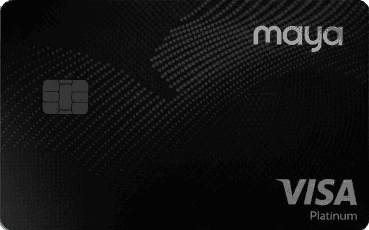


Maya Black Card
- Annual fee: ₱ 0 (No Annual Fee) * when used at least once a month
- Minimum annual income: ₱0 (No Min. Annual Income)
- Minimum age: 21 years old
The Maya Black Credit Card is ideal for beginners because it combines the convenience of digital banking with rewards that fit modern lifestyles. Cardholders can earn up to 10x Maya Miles at Maya Preferred Brands, making it rewarding for everyday spending, from dining to shopping and travel bookings. Since it's fully integrated within the Maya app, users can easily track transactions, manage payments, and monitor their spending in one place.
UnionBank Rewards Platinum Mastercard
- Annual fee: ₱ 0 (No Annual Fee) * ₱ 20,000 spend requirement from 60 days of approval
- Minimum annual income: ₱180,000
- Minimum age: 21 years old
The UnionBank Rewards Platinum Mastercard lets you earn points on almost every transaction, making it a good starter card for first-time users who regularly spend on groceries, dining, online shopping, and bills. It also comes with an intuitive mobile app that allows users to view transactions, pay bills, and manage their account conveniently.
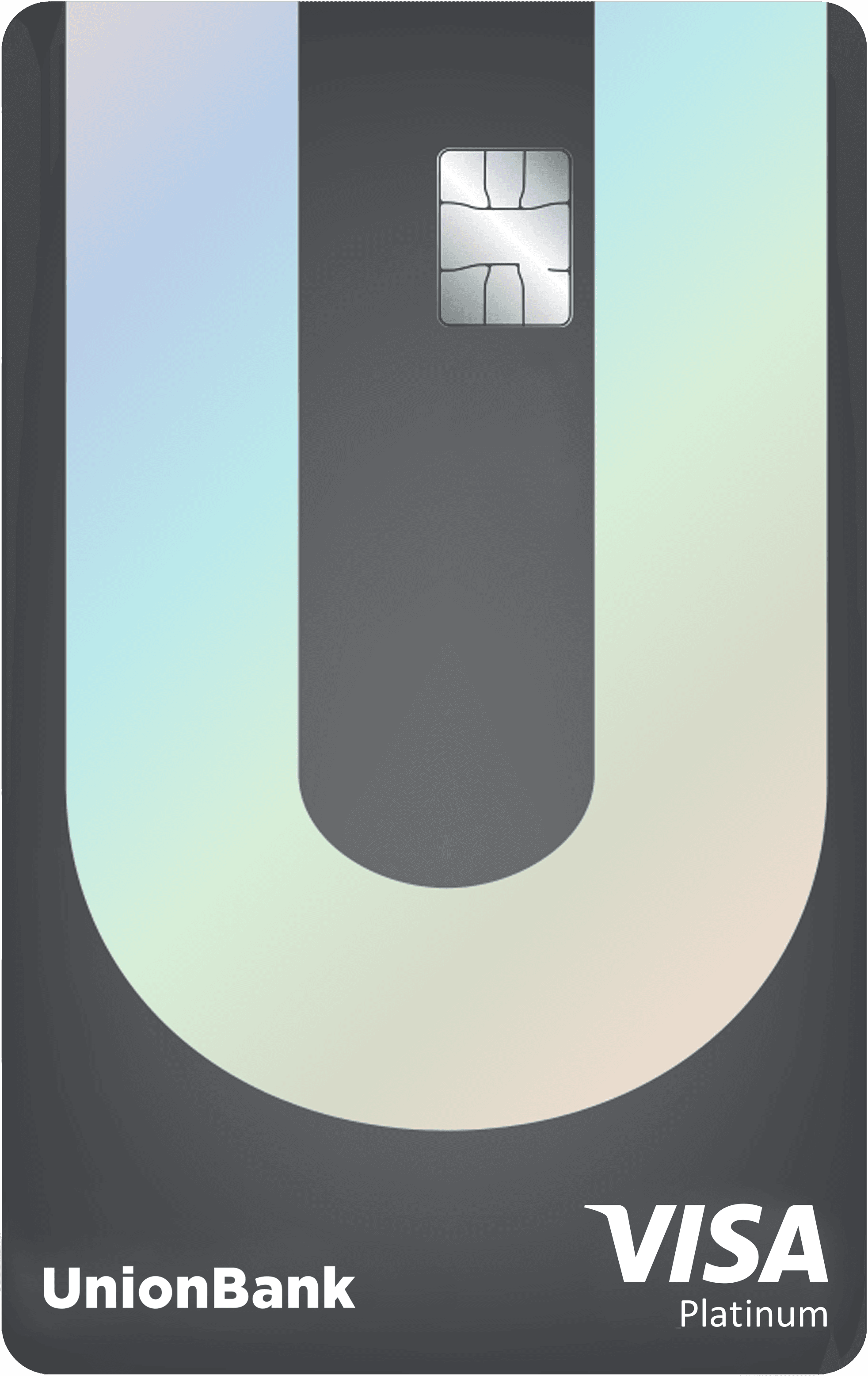
UnionBank U Visa Platinum
- Annual fee: ₱ 0 (No Annual Fee) * ₱ 180,000 yearly spend requirement
- Minimum annual income: ₱ 180,000
- Minimum age: 21 years old
For users who prefer simple and fuss-free rewards, the UnionBank U Visa Platinum offers cashback on eligible purchases without the complexity of tracking points or miles. It also has no annual fees, late fees, and overlimit fees, making it the perfect beginner credit card for worry-free spending.
BPI Rewards
- Annual fee: ₱ 0 (No Annual Fee) * ₱ 180,000 yearly spend requirement
- Minimum annual income: ₱ 180,000
- Minimum age: 21 years old
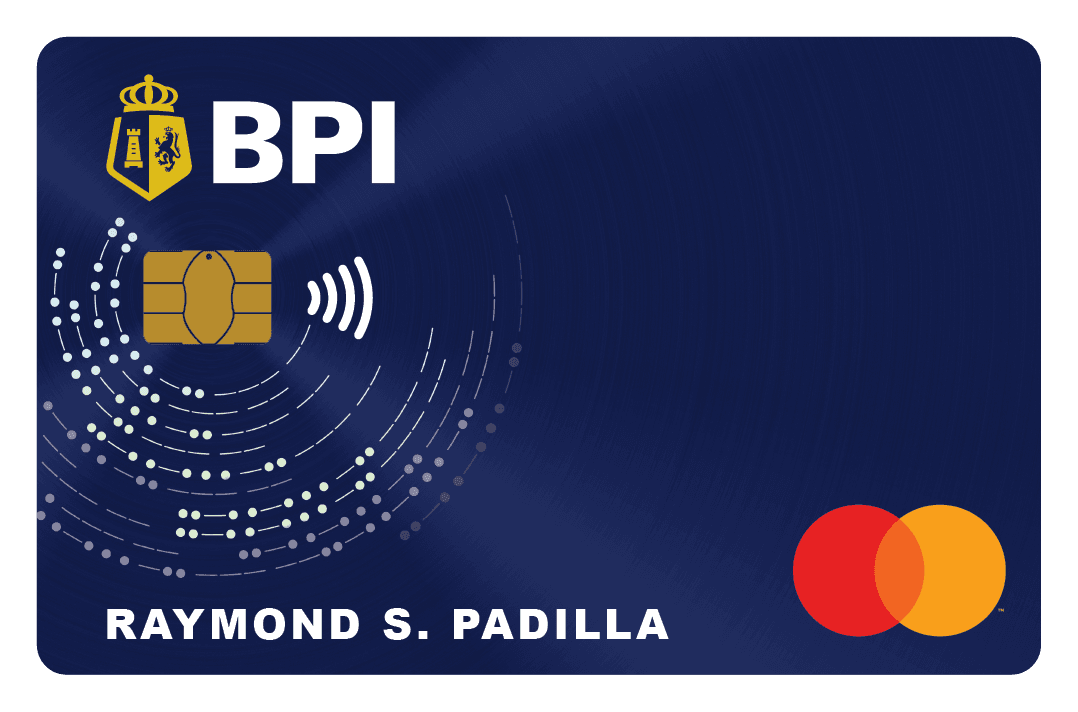
The BPI Rewards Card allows you to earn points from everyday purchases that can be redeemed for shopping, dining, travel, and other lifestyle rewards. This credit card also has a low forex conversion fee of just 1.85%, letting you save while shopping abroad or online. With BPI’s FlexipayZero and FlexipayLater, cardholders can convert eligible purchases into installment plans up to 36 months.
BPI Amore Cashback
- Annual fee: ₱ 0 (No Annual Fee) * with yearly spend requirement
- Minimum annual income: ₱180,000
- Minimum age: 21 years old
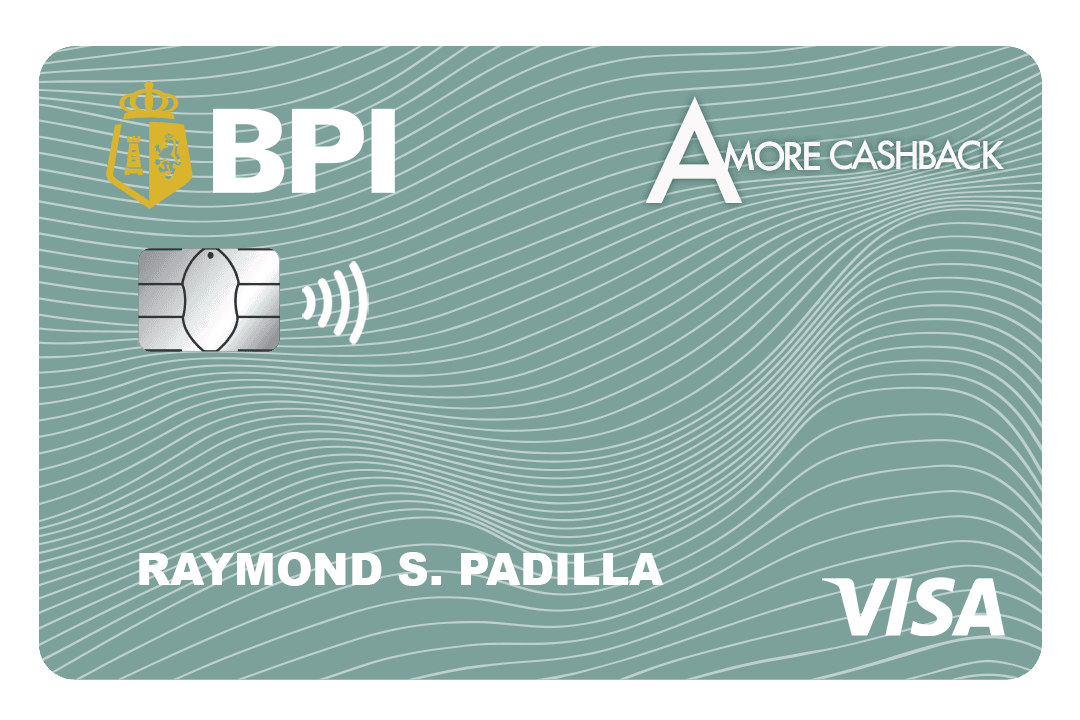
BPI Amore Cashback cardholders can get up to 4% cashback on supermarket and grocery purchases, 1% cashback on utility bills and drugstores, and 0.3% on all other local spend. This credit card also grants unlimited access to Ayala Malls’ exclusive customer and family lounges, perfect for families.
Metrobank Titanium Mastercard
- Annual fee: ₱ 0 (No Annual Fee) * limited time offer
- Minimum annual income: ₱180,000
- Minimum age: 21 years old
The Metrobank Titanium Mastercard is a good option for first-time cardholders who regularly shop online or spend on dining and lifestyle purchases. Enjoy 2x rewards points on dining, department store, and online purchases, and 1 point for every PHP 20 spent elsewhere.
Metrobank Rewards Plus Visa
- Annual fee: ₱ 2,500 * waived on the first year
- Minimum annual income: ₱ 180,000
- Minimum age: 21 years old
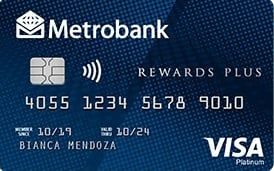
Enjoy double points on gadgets, internet, and online spending with the Metrobank Rewards Plus Visa. With this credit card, cardholders can maximize their everyday purchases while building their credit history. With annual fees waived in the first year, the Metrobank Rewards Plus Visa is a versatile option for first-time users.
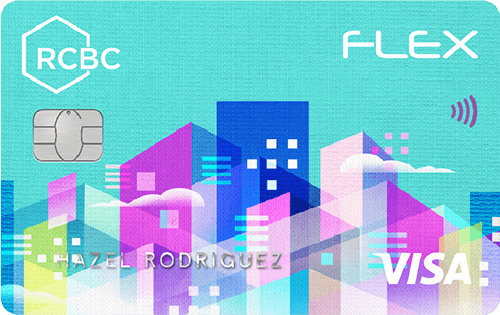
RCBC Flex Visa
- Annual fee: ₱ 1,500
- Minimum annual income: ₱ 250,000
- Minimum age: 21 years old
One of the standout features of the RCBC Flex Visa is its flexibility. Cardholders can choose categories where they can earn double rewards points, such as dining, shopping, travel, transportation, or online spending. The card also offers free travel insurance and purchase protection when used to book international trips.
Related: First Credit Card? Check Out These 16 Best Beginner Credit Cards for Beginners
Smart Habits to Build After Getting Your First Credit Card
Getting your first credit card is exciting, but how you use it matters even more. Building good habits early can help you avoid debt and set you up for a healthier financial future.
Pay Your Bills on Time
Paying your credit card bill on time is one of the most important habits you can develop. Late payments can lead to extra charges and may affect your credit history. Treat your credit card bill like any other monthly expense, such as rent or utilities.
If your payday is every 15th and 30th, consider setting aside money for your card payment as soon as your salary comes in. You can also set reminders or enable auto-debit to avoid missing due dates.
Keep Your Spending Below Your Credit Limit
Take note that your credit limit isn't extra income — it's borrowed money that you'll need to pay back. Even if you have a ₱50,000 limit, you don't need to spend the entire amount. Use your card for planned expenses like groceries, bills, or online purchases, and avoid maxing it out during big sales like double-digit sales or payday sales.
Keeping your spending manageable makes your bill easier to pay and helps you stay in control of your finances.
Avoid Making Only Minimum Payments
Your statement will usually show a minimum amount due, but paying only the minimum means the remaining balance can continue to gain interest.
Whenever possible, pay your balance in full. If that's not possible, try to pay more than the minimum to reduce interest charges and pay off your balance faster.
Use Your Card for Planned Expenses
A good rule is to use your credit card only for expenses that are already part of your budget, such as:
- Groceries
- Utility bills
- Internet and mobile plans
- Fuel and transportation
- Streaming subscriptions
This allows you to earn rewards or cashback without overspending.
A good habit to start: Before making a purchase, ask yourself: "Would I still buy this if I had to pay for it in cash today?" If the answer is no, it may be best to skip it.
Review Your Statements Regularly
Don't wait until your bill arrives to check your account. Reviewing your transactions regularly can help you track your spending and spot unfamiliar charges early.
Later on, you may notice that you're spending more than expected on food delivery or online shopping. Small insights like these can help you make better financial decisions.
Related: How to Build Good Credit History Using a Credit Card
Common Mistakes First-Time Credit Card Users Make
Everyone makes mistakes when learning something new, and using your first credit card is no different. The good news is that many common credit card mistakes can be avoided with a little planning and awareness.
Treating Credit Limit as Extra Income
One of the biggest misconceptions among first-time cardholders is thinking that their credit limit is extra money. It's easy to justify big purchases by saying, "May credit limit pa naman." But when the bill arrives, paying for those expenses may be harder than expected.
Your credit limit is not a measure of what you can afford — it's simply the maximum amount you can borrow. Use your card only for expenses that fit within your budget.
Missing Due Dates
Missing a payment can lead to late fees and additional charges, and it may affect your ability to build a good credit history. This often happens when cardholders forget to check their statements or get busy with work and family responsibilities.
To avoid this, set payment reminders on your phone, set aside money during payday, or consider auto-debit if the option is available. Paying on time is one of the best habits you can build as a new cardholder.
Applying for Too Many Cards at Once
After getting your first card, you may be tempted to apply for more because of welcome gifts or cashback promos. However, managing multiple cards can be overwhelming, especially when each one has different billing cycles and due dates.
As a beginner, it's usually better to focus on using one card responsibly before applying for another.
Overspending for Rewards
Rewards, cashback, and miles are great perks, but they shouldn't be the reason you spend more.
A common mistake is buying things you don't need just to earn points or qualify for a promo. The best approach is to earn rewards from purchases you were already planning to make. Think of rewards as a bonus, not a goal.
Ignoring Fees and Charges
Many first-time cardholders focus on benefits and forget about credit card fees. Before using your card, take time to understand these charges. Knowing how your card works can help you avoid unpleasant surprises later.
Related: Common Credit Card Mistakes in the Philippines
Your First Credit Card Is Just the Beginning
Getting your first credit card is an exciting milestone. More than just a payment tool, it's an opportunity to build good financial habits and lay the foundation for your future.
That's why choosing your first credit card isn't just about rewards or perks; the right card is one that fits your lifestyle, spending habits, and financial needs. When used wisely, it can help you build confidence with credit and prepare for bigger financial milestones ahead.
Ready to get started? Compare beginner-friendly credit cards on Moneymax and find the card that best fits your lifestyle and financial goals.

About the author

Rina Bernardo
Rina is a Senior Associate for Content Strategy with nearly a decade of experience across the content landscape, having worked as a writer, editor, and team lead. Her background spans multiple industries, including eCommerce, travel, and real estate, where she has developed a strong eye for storytelling and audience engagement. Outside of work, Rina enjoys running, reading books, journaling, and experimenting with new iced coffee recipes.
Related articles