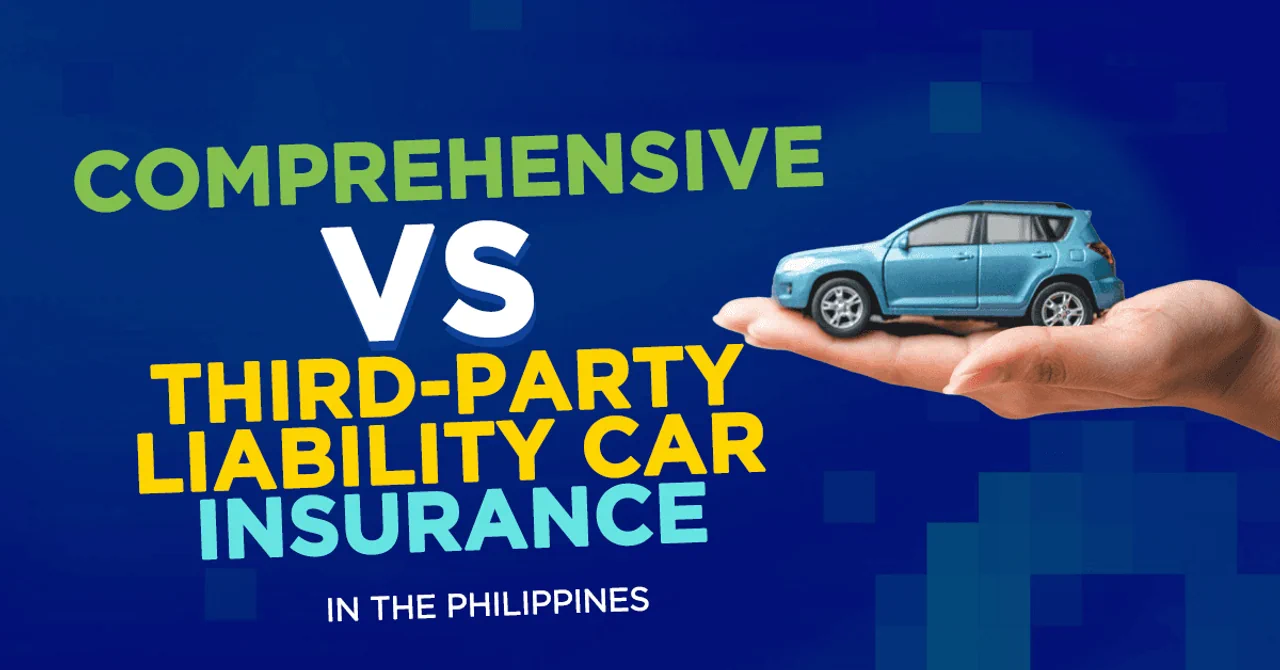
Comprehensive vs Third-Party Liability Car Insurance in the Philippines: Which One Do You Need?
Updated: Oct 30, 2026

Written byRina Bernardo
Driving in the Philippines comes with its share of challenges. From bumper-to-bumper traffic along EDSA to flooded streets during the rainy season, even careful drivers can encounter situations that lead to unexpected expenses. If you own a car, having the right car insurance can help you prepare for these risks.
But should you get basic Third-Party Liability (TPL) insurance or comprehensive car insurance? Both offer protection, but they differ in coverage, costs, and the types of financial risks they help you manage. Here's what you need to know to choose the right car insurance for your vehicle, budget, and driving needs.
Related: Guide to Comprehensive Car Insurance
What Is Third-Party Liability (TPL) Car Insurance?
Third-Party Liability (TPL) insurance, commonly called Compulsory Third-Party Liability (CTPL) when referring to the insurance required for vehicle registration, provides basic protection against qualifying liability for third-party bodily injury or death arising from an accident involving your insured vehicle. It is required for motor vehicle registration in the Philippines, but it does not cover repairs to your own car.
Here's what you should know about TPL insurance:
What it covers
CTPL provides coverage for eligible third-party bodily injury or death, subject to the policy's conditions and limits.
What it doesn't cover
Basic CTPL does not pay for damage to your own vehicle, your car's theft, or your own vehicle's repair costs. It also isn't a substitute for comprehensive protection against damage to another vehicle's property.
Why it matters
Motor vehicle owners must secure the required compulsory insurance to register or renew their vehicle registration with the Land Transportation Office (LTO).
Who might consider additional coverage
Owners of older cars may weigh basic CTPL against the cost of broader protection, but they should first consider whether they could afford repairs or replacement if their vehicle is damaged.
What Is Comprehensive Car Insurance?
Comprehensive car insurance provides broader protection than basic CTPL by covering specified damage to your own vehicle and potentially providing additional third-party liability benefits, depending on the policy. It can help reduce the financial impact of covered accidents, theft, and certain other risks, but its protection is subject to exclusions, deductibles, and coverage limits.
Depending on your policy, comprehensive car insurance may include:
Own damage
Covers eligible repairs when your car is damaged in a covered accident.
Theft
Provides protection against covered vehicle theft, subject to the policy's requirements.
Third-party liability
May provide additional liability protection beyond compulsory coverage, depending on the policy and selected limits.
Acts of nature
Acts of nature, also known as Acts of God, may cover damage caused by flooding, typhoons, and other specified natural events if the appropriate coverage is included.
Optional benefits
Some insurers offer additional benefits or car insurance add-ons, such as roadside assistance or personal accident coverage, depending on the plan.
Does your bank require comprehensive car insurance?
If you're financing your car through a bank, CTPL alone may not be enough to meet your lender's insurance requirements. Banks commonly require comprehensive car insurance to protect the vehicle used as collateral for the loan.
Even if your CTPL policy satisfies the compulsory insurance requirement for vehicle registration, you may still need comprehensive coverage to comply with your loan agreement.
Comprehensive vs. TPL Car Insurance: What's the Difference?
The main difference between comprehensive and TPL car insurance is the extent of protection they provide. CTPL offers compulsory, limited third-party bodily injury or death coverage, while comprehensive insurance can also protect your own vehicle against specified risks.
Here's a quick comparison:
|
Feature |
Basic CTPL Insurance |
Comprehensive Car Insurance |
|
Third-party bodily injury or death |
Covered, subject to limits and conditions |
Covered through applicable policy benefits and limits |
|
Damage to your own car |
Not covered |
Covered for specified events |
|
Vehicle theft |
Not covered |
May be covered, subject to terms |
|
Flood or acts of nature |
Not included in basic CTPL |
Depends on the policy and applicable coverage |
|
Damage to another vehicle or property |
Not included in basic CTPL |
May be covered under third-party property damage benefits |
|
Premium |
Generally lower |
Generally higher |
|
Main purpose |
Meet compulsory insurance requirements and provide basic protection |
Provide broader protection against covered vehicle and liability risks |
Which offers better value? That depends on your circumstances.
CTPL generally costs less upfront, but you may have to shoulder the full cost of repairing your own car after an accident. Comprehensive insurance usually costs more, but it can help protect your finances against eligible repair costs, theft, and other covered losses.

Which Car Insurance Do You Need? 4 Things to Consider
The right car insurance depends on your vehicle's value, financial capacity, driving habits, and financing requirements. Before choosing between basic CTPL and comprehensive coverage, consider how much financial risk you can comfortably manage if your car is damaged or stolen.
Your car's age and value
Newer or more valuable vehicles may be more expensive to repair or replace, making broader protection worth considering. For an older car, compare the annual premium and deductible with the vehicle's current value and potential repair costs. If your car is relatively inexpensive to replace, you may decide that basic CTPL is sufficient for your needs.
Your budget and emergency savings
Your budget should account for more than the insurance premium. Think about how much you could afford to pay out of pocket if your car were damaged in an accident tomorrow. Compare premiums, deductibles, and coverage limits to understand what you're paying for and what you would still need to cover yourself.
How and where you drive
Frequent driving in heavy traffic, parking in crowded areas, or regularly traveling through flood-prone streets may expose your vehicle to different risks. However, no policy eliminates every risk, so choose coverage based on your circumstances and read the exclusions carefully.
Whether your car is financed
If you're still paying for your car through a bank or financing company, check your loan agreement before selecting your insurance. Your lender may require comprehensive insurance for the duration of the loan to protect the vehicle that serves as collateral. Once you've confirmed your obligations, compare policies that meet those requirements and fit your budget.
Related: What to Consider When Buying Car Insurance (Checklist)
Why Buy Car Insurance Through Moneymax?
Through Moneymax, drivers can:
-
Review different coverage options in one place instead of visiting several providers individually.
-
Compare pricing and benefits to find a plan that fits their budget and protection needs.
-
Complete their application digitally, from quotation to purchase.
-
Get personalized guidance from Moneymax's Comparison Advisors, who can help you understand your options and support you throughout the application process.
-
Receive their ePolicy as early as 24 hours after your application is processed
-
Take advantage of special offers available through the platform, including waived deductibles for select providers.
Choose Coverage That Moves You Forward
Choosing between comprehensive and TPL car insurance depends on the level of protection you need and the financial risks you're prepared to manage. Basic CTPL is required for vehicle registration in the Philippines and provides limited third-party protection, while comprehensive insurance can offer broader coverage for your own vehicle against specified risks.
Consider your car's value, budget, driving conditions, and financing requirements before deciding. You don't necessarily need the most expensive policy, but you should understand the costs you may have to shoulder if an accident happens.
Ready to explore your options? Compare available car insurance plans on Moneymax and review their benefits to find coverage that fits your needs and helps you move forward with confidence.

Comprehensive vs Third Party Liability Car Insurance FAQs
What is the difference between comprehensive car insurance and TPL in the Philippines?
TPL, particularly compulsory CTPL, provides basic coverage for qualifying third-party bodily injury or death arising from an accident involving your insured vehicle. Comprehensive car insurance can also cover damage to your own vehicle, theft, and other specified risks, depending on the policy.
Is TPL car insurance mandatory in the Philippines?
Yes. Compulsory Third-Party Liability (CTPL) insurance is required for motor vehicle registration and renewal in the Philippines. It provides limited protection for eligible third-party claims, subject to applicable conditions and coverage limits.
Is comprehensive car insurance required in the Philippines?
Comprehensive car insurance is not generally required by law for all private vehicles. However, a bank or financing company may require it if your vehicle is financed. Check your loan agreement to understand your specific obligations.
What does TPL car insurance cover?
Basic CTPL covers eligible third-party bodily injury or death claims arising from an accident involving the insured vehicle, subject to policy conditions and limits. It does not cover repairs to your own car, vehicle theft, or damage to another person's property under basic CTPL coverage.
What does comprehensive car insurance cover?
Comprehensive car insurance can cover eligible damage to your own vehicle from specified events, theft, and certain third-party liabilities. Coverage for flooding and other natural hazards depends on the policy and whether the relevant protection is included.
Can I switch from comprehensive car insurance to TPL?
You may be able to switch to basic CTPL when your existing policy expires, provided you meet your legal and contractual obligations. If your car is financed, check whether your lender requires comprehensive coverage before making a change.
Can I have both TPL and comprehensive car insurance?
Yes. A comprehensive policy may incorporate or be issued alongside the required compulsory coverage, depending on the insurer's product structure. Confirm how your policy handles CTPL and whether you need a separate compulsory policy for registration.
What factors should I consider when choosing car insurance?
Consider your car's age and value, budget, emergency savings, driving habits, location, and any lender requirements. Compare premiums, deductibles, coverage limits, exclusions, and optional benefits to determine which policy best fits your needs.
About the author

Rina Bernardo
Rina is a Senior Associate for Content Strategy with nearly a decade of experience across the content landscape, having worked as a writer, editor, and team lead. Her background spans multiple industries, including eCommerce, travel, and real estate, where she has developed a strong eye for storytelling and audience engagement. Outside of work, Rina enjoys running, reading books, journaling, and experimenting with new iced coffee recipes.
Related articles