Rainy season in the Philippines means more than just bringing an umbrella. Flooded streets, bumper-to-bumper traffic, and sudden downpours during your commute home can all take a toll on your car — and your schedule. Not only does it cost money, it disrupts your entire day.
That's why preparing your car for the rainy season matters. This guide walks you through what to check before the rains start, how to drive safely once you're on flooded or slippery roads, and what to do after a drive through heavy rain. Whether you're commuting daily or only take the car out on weekends, these tips can help you stay safe and avoid unnecessary expenses this season.
Related: 7 Road Safety Tips for the Rainy Season in the Philippines
Before the Rain Starts: Get Your Car Ready
Small checks now can save you from bigger problems once the rain starts. Here's what to prioritize before the season kicks in.
Inspect your tires
Worn-out tires lose grip on wet roads, making it easier to skid or hydroplane. Check your tire tread depth and look for uneven wear. If your tires are already balding, replace them before your next long drive.
Make sure your brakes respond properly
Wet roads mean longer stopping distances, so responsive brakes matter more than ever. Listen for unusual sounds like squeaking or grinding, and notice if your car pulls to one side when you brake. If something feels off, have a trusted mechanic check it before the rains get heavy.
Replace worn windshield wipers
Streaky or squeaky wipers usually mean it's time for a replacement. Good visibility is critical when you're driving through a sudden downpour on your way home from work. Wiper blades are inexpensive, so there's no reason to put this off.
Check all lights
Rainy days often come with gray skies and low visibility, even in the middle of the afternoon. Make sure your headlights, taillights, and signal lights all work properly. This helps other drivers see you — and helps you see the road — during heavy rain or fog.
Top up essential fluids
Coolant, brake fluid, and windshield washer fluid all play a role in keeping your car running safely. Low fluid levels can lead to overheating or reduced braking power, especially in stop-and-go traffic during a storm. A quick top-up before the season starts is a simple way to avoid bigger issues later.
Test your battery
Rainy weather puts extra strain on your car battery, especially with wipers, defoggers, and headlights running at the same time. If your battery is already weak, it might not survive a sudden downpour with the AC and lights on. Have it tested, and replace it if it's past its expected lifespan.
Build a Rainy Season Emergency Kit
A few items in your trunk can save you hours of inconvenience when the rain catches you off guard. Here's what to pack in your rainy season emergency kit:
- Umbrella and raincoat
- Extra slippers or shoes
- Dry towel and plastic bags
- Flashlight
- Reflective warning triangle
- Jumper cables
- Basic tools
- Tow rope
- First aid kit
- Drinking water and non-perishable snacks
Driving Safely During Heavy Rain
Once you're on the road, small adjustments to how you drive can make a big difference. Here's what to keep in mind.
Slow down and increase following distance
Wet roads reduce your tires' grip, so your car needs more time and distance to stop safely. Leave a bigger gap between you and the car ahead, especially on highways like SLEX or NLEX where speeds are higher. Going slightly slower may add a few minutes to your trip, but it gives you more room to react if something unexpected happens.
Avoid sudden braking or sharp steering
Quick, jerky movements are more likely to cause skidding on wet roads. Brake and steer gradually, and give yourself more room to slow down before intersections or sharp turns. This is especially important in areas with heavy traffic, where sudden stops from other drivers can catch you off guard.
Watch out for flooded roads
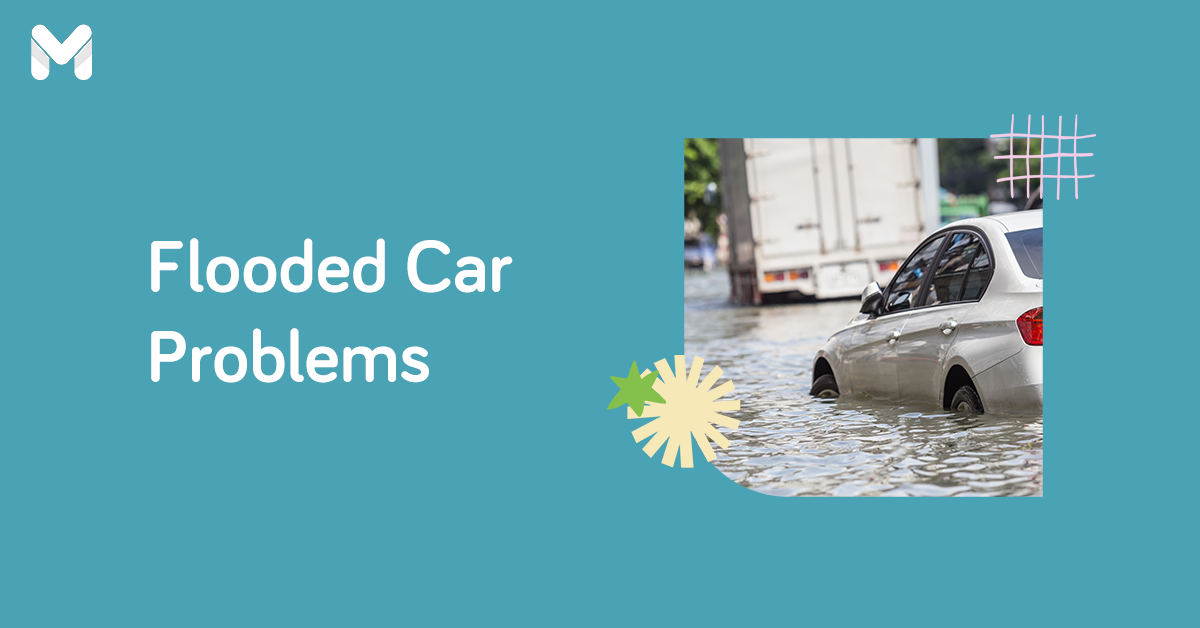
Not all floods are the same — some are just a few inches of water, while others can stall your engine or sweep your car off course. If you see other vehicles struggling to pass through, it's safer to turn back or wait it out than to risk driving through. When in doubt, don't attempt to cross; a delayed trip is better than a stalled car or a damaged engine.
Stay informed before leaving
Before heading out, check weather updates, traffic apps, or local government advisories for flood-prone areas along your route. A quick check can help you avoid roads during heavy downpours, when flooding is more likely. Planning an alternate route ahead of time can save you from getting stuck or turning back midway.
Related: Driving in the Rain? 15 Car Care Tips for the Rainy Season
What to Do If Your Car Gets Caught in a Flood
Even with careful planning, floods can sometimes catch you off guard. Here's what to do if your car gets caught in a flood:
If water is still rising
If you're already in floodwater and it keeps rising, prioritize your safety over your car. Turn on your hazard lights, and if the water reaches your car's doors, it's safer to leave the vehicle and move to higher ground. Bring your phone, wallet, and any important documents with you if you can do so safely.
Never restart a flooded engine
If your engine stalls in floodwater, resist the urge to start it again. Water in the engine can cause serious damage if the engine turns over, potentially costing you far more than a tow and inspection would. Wait until your car is out of the water and has been checked by a mechanic before attempting to start it.
Contact roadside assistance
Once you're safe, call for roadside assistance or a trusted mechanic to have your car towed. If you have car insurance with roadside assistance coverage, check your policy for the hotline number and keep it saved in your phone.
Document any damage
Before your car is moved or repaired, take photos and videos of the flooding and any visible damage. This documentation is useful when filing an insurance claim, as it helps show the extent of the damage. Keep receipts from towing, repairs, or related expenses too, in case your insurance provider asks for them.
After Driving in Heavy Rain: Don't Skip These Checks
Even if your drive feels uneventful, it's worth doing a quick check once you're safely parked. Here's what to look at:
- Tires: Driving over unseen potholes or road hazards during heavy rain is more common, so it's worth a quick visual inspection.
- Brakes: Test your brakes at low speed in a safe area, like your garage or an empty street.
- Underbody: Floodwater can carry debris, mud, and even small rocks that get lodged underneath your car.
- Mud buildup: Built-up mud can affect your brakes, suspension, and even your car's ability to cool itself properly.
- Water inside cabin: Trapped moisture can lead to mold or a musty smell over time, so dry out any damp areas as soon as you can.
- Unusual sounds: Pay attention to any new noises when you start your car or drive off, like squeaking, grinding, or knocking sounds.
- Lights: Check that all your lights still work properly, since water exposure can sometimes affect wiring or connections.

Is Your Car Insurance Ready for the Rainy Season?
Many drivers only think about their car insurance after they've already experienced flood damage or an accident. By then, it's too late to add rainy season car insurance coverage you didn't have. Reviewing your policy before the rainy season starts gives you time to fill any gaps while your car is still safe and dry.
Comprehensive insurance
Comprehensive coverage protects your car against a wider range of risks, including flood damage, theft, and fire — not just accidents involving other vehicles. If you only have third-party liability insurance, flood damage to your own car likely isn't covered.
Acts of nature coverage
This optional add-on typically covers damage from floods, typhoons, and other weather-related events. Not all comprehensive policies include this by default, so check if it's part of your plan or if you need to add it separately.
Flood protection
Some policies have specific conditions for flood claims, such as requiring that your engine wasn't running when it got flooded. Review these details now so you know what's covered and what isn't before you actually need to file a claim.
Towing benefits
If your car breaks down or gets stuck in floodwater, towing costs can add up quickly. Check if your policy includes towing benefits, and note any mileage limits or coverage caps that may apply.
Roadside assistance
This service can help with towing, battery jumpstarts, or minor repairs when you're stranded. Save your provider's hotline number in your phone now, so you're not searching for it during an actual emergency.
Claim requirements
Insurance providers usually ask for documentation like photos, videos, and police or barangay reports when filing a flood-related claim. Knowing this ahead of time can help you gather what you need on the spot, rather than scrambling to remember later.
Quick Checklist: Is Your Policy Rainy-Season Ready?
✓ Does your policy include Acts of Nature coverage?
✓ Do you know your deductible amount?
✓ Do you have roadside assistance included?
✓ Do you know the steps to file a claim?
If you answered "no" or "not sure" to any of these, it's worth reaching out to your insurance provider or comparing other options before the rainy season peaks.
Why Buy Car Insurance Through Moneymax?
Through Moneymax, drivers can:
- Review different coverage options in one place instead of visiting several providers individually.
- Compare pricing and benefits to find a plan that fits their budget and protection needs.
- Complete their application digitally, from quotation to purchase.
- Get personalized guidance from Moneymax's Comparison Advisors, who can help you understand your options and support you throughout the application process.
- Receive their ePolicy in less than 24 hours after your application is processed
- Take advantage of special offers that may be available through the platform.
Rainy Season Driving Is About More Than Your Car
Every rainy season brings uncertainty, but preparation can make all the difference. From keeping your vehicle road-ready to reviewing your insurance coverage, each step helps reduce stress, avoid costly surprises, and keep you moving toward what matters most.
At Moneymax, we believe confident financial decisions aren't only about choosing the right products — they're about making choices that protect your milestones. Whether you're reviewing your car insurance or planning ahead for unexpected expenses, having the right protection in place means you can face the rainy season with greater confidence.
Protect every journey, rain or shine. Compare comprehensive car insurance plans on Moneymax and find coverage that helps safeguard both your vehicle and the milestones you're driving toward.

 Back to Blog