Breaking the Cycle of “Cash-Only” Thinking: Why Building Credit History Matters
Updated: Mar 12, 2026

Written byMoneymax CCAP Editorial

You don’t build financial credibility and credit history by avoiding credit forever, you build it by using credit well: start small, stay consistent, and choose products that fit your situation (and your documents).
In the Philippines, your credit history is your trust trail: how you handle borrowed money over time (paying on time, keeping balances manageable, using credit responsibly). A stronger record means better rates, higher credit limits, and easier approvals. That’s why Moneymax and the Credit Card Association of the Philippines (CCAP) encourage Filipinos to treat credit as a tool, not an enemy.
Related: New to Credit? How to Build a Good Credit Score from Scratch
Cash-only mindset in the Philippines
Cash-only feels safe, especially if you’ve seen friends fall into utang problems. But the goal isn’t to replace cash with debt, it’s to add a credible track record. When you have no credit footprint, lenders can’t easily differentiate between “low risk” and “unknown,” so many people get stuck in a cycle of rejections or only qualify for high-cost options.
Credit Score vs Credit History in the Philippines
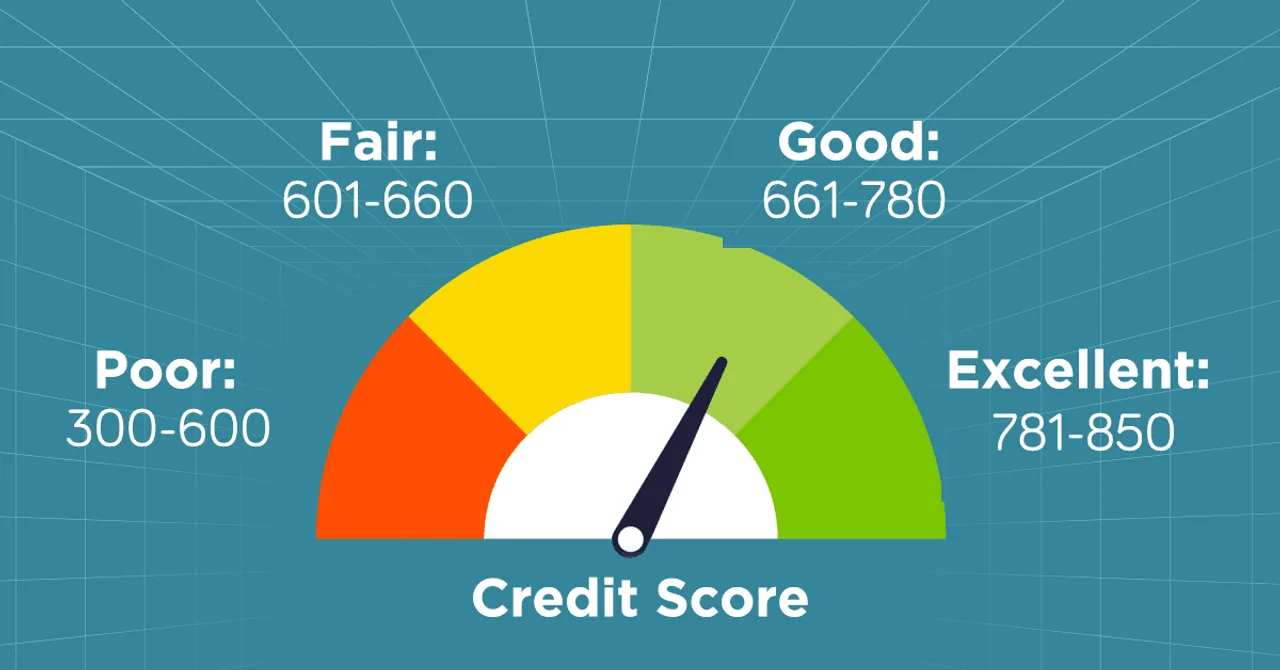
These two get mixed up a lot. Credit history is the record of how you’ve handled credit (payments, balances, accounts over time). A credit score is a number that summarizes that behavior to help lenders assess risk quickly. If you have little to no history, your score may be thin or you may be invisible to some checks, making approvals harder even if you earn well.
💡 The good news: you can build both with consistent habits: on-time payments, low utilization, and not applying for multiple products all at once.
Related: Credit Repair in the Philippines: How to Fix Your Credit Score
Related: How to Deal With a Declined Credit Card Application in the Philippines
How to start building credit safely
You don’t need to jump into big debt to build credit. The safest approach is to start small, stay consistent, and treat credit like a monthly routine, like paying utilities. The goal is not to carry a balance; the goal is to show you can borrow and repay on schedule.
💡 A practical starter plan:
1. Choose one simple credit product you can manage (often a starter card or secured card).
2. Use it for predictable expenses (groceries, load, subscriptions).
3. Pay on time, ideally in full every month.
4. Keep your balance low relative to your limit.
5. Avoid applying for many credit products at once.
This is how you break cash-only thinking without losing control. Credit becomes a tool you can switch on when needed, because you’ve already built trust when you don't need it.
BFI 6
Secured credit card in the Philippines: a practical starting point
If you’ve been rejected before or you don’t have formal proof of income, then secured credit cards can be a realistic entry point. These typically require a cash holdout/deposit that acts as your collateral, making approvals easier while you build a track record.
💡 Secured cards can be a strong bridge for:
1. First-time cardholders with no history
2. Freelancers or self-employed earners with limited documentation
3. People rebuilding after past missed payments
4. Anyone who wants training wheels before a regular card
The key remains the same: use it lightly, pay it on time, and build consistency over months. Once your profile strengthens, you’ll be in a better position to qualify for regular credit products.
Related: Top 24 Credit Cards with Easy Approval in the Philippines
Breaking cash-only thinking isn’t choosing debt, it’s choosing options. Cash is useful, but without credit history you can still be “invisible” to lenders, even if you’re responsible. Build credit the right way and you unlock better approvals, better terms, and more flexibility for surprises or bigger goals.
With CCAP and Moneymax, the takeaway is simple: credit is a tool, not a trap when used with discipline. Start where you are, pick what fits your profile, and focus on consistency. Ready to begin? Visit Moneymax to compare cards and loans that match your goals.
About the author


Related articles


Credit Limit vs Financial Limit in the Philippines: Which One Should You Follow?