Understanding Good Credit and Bad Debt: A Smarter Way to Look at ‘Utang’
Updated: Mar 12, 2026
Written byMoneymax CCAP Editorial
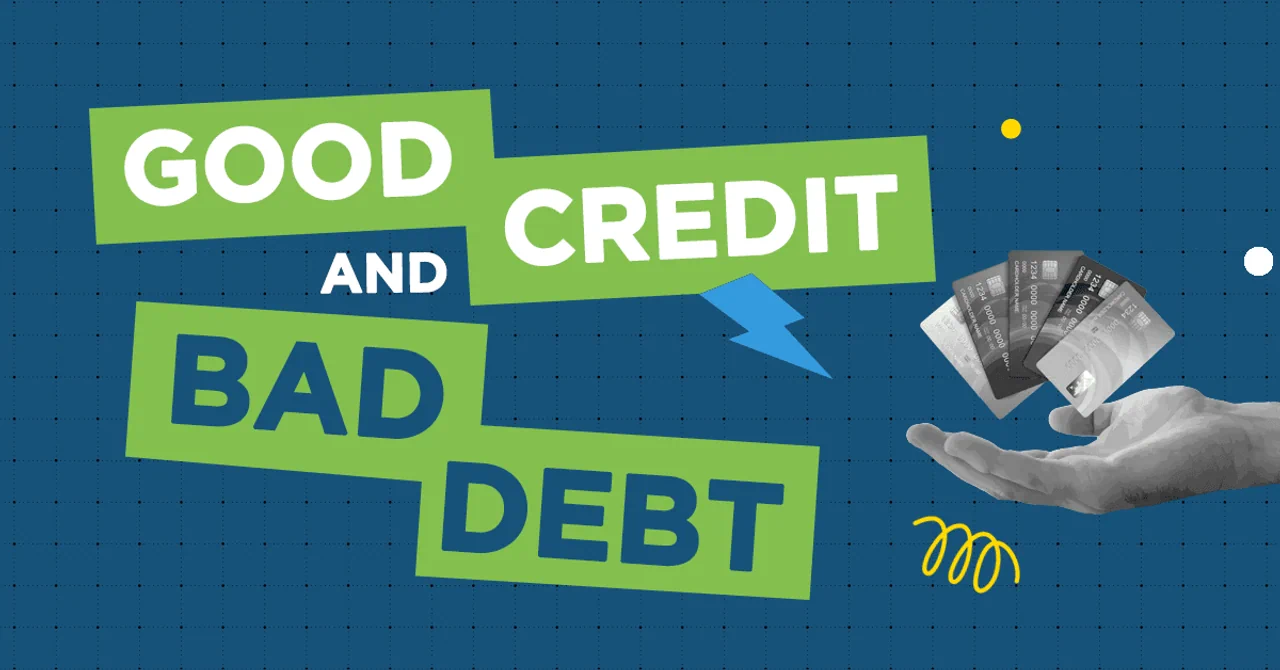
Think utang automatically means trouble? This guide breaks down good debt vs bad debt in the Philippines, and how to use credit (credit cards, personal loans, installments) wisely to build good credit, protect your credit score, and avoid the debt trap.
Together with the Credit Card Association of the Philippines (CCAP), this article strengthens credit and financial literacy by breaking down responsible borrowing, interest and repayment, and simple habits that help Filipinos improve creditworthiness; from paying on time to managing balances for a healthier credit score.
Related: How to Check and Improve Your Credit Score in the Philippines
Good debt vs bad debt in the Philippines
Debt becomes “bad” when it doesn’t improve your financial situation and is hard to repay: think high-interest balances, borrowing for luho, or paying only the minimum until fees pile up. Meanwhile, “good debt” is planned, affordable, and helps you grow value (skills, income, assets). In practice, good debt usually has a clear purpose (may balik), fits your budget, and comes with a repayment plan.
Good debt examples
Good debt is utang that helps you earn more, save more, or build an asset over time like financing education to raise earning power, capital for a small business, or a home-related loan that supports stability.
💡Quick self-check before you borrow:
- May balik ba ito in 6–24 months?
- Kaya ko ba bayaran on time kahit may emergency?
If you answer YES to both questions, you’re more likely using credit as a tool and not a trap.
Credit card interest, fees, and due dates
A credit card can be good credit when you treat it like a payment tool (not extra income): track your spend, know your statement date, and pay on or before the due date, ideally in full, to avoid finance charges and penalties.
In the Philippines, protecting your credit score means keeping your balance manageable and avoiding maxing out your limit.
💡 Heads up: credit reports commonly look at payment history and credit utilization (how much of your limit you use).
Related: 6 Strategies to Manage and Quickly Pay Off Your Credit Card Debt
Bad debt examples
On the flip side, some common “red flags” or bad debt in the Philippines include: paying only the minimum amount due, frequently doing cash advances, stacking multiple loans to pay other loans, and borrowing from high-cost lenders (e.g., “5-6” style arrangements) that can trap you in a cycle of penalties and rising interest.
BFI 2
Responsible borrowing in the Philippines
Responsible borrowing in the Philippines starts with one simple rule: match your utang to a clear goal and a realistic payment plan, so it stays closer to good debt vs bad debt. The rule of thumb should be: good debt builds value; bad debt drains cash flow.
💡A quick gut-check: “Will this loan help me earn more / save more / build an asset and can I still pay on time if life happens?”
Next, protect your budget by knowing the true cost of credit: interest, fees, statement dates, and due dates. Paying late (or paying only the minimum) can keep you stuck in the “minimum payment trap,” where finance charges keep stacking up and repayment takes much longer.
Related: 5 Effective Strategies for Borrowers to Avoid Loan Delinquency
Finally, treat credit as a reputation you can build: your payment history and credit utilization ratio are among the key factors reflected in your Credit Information Corporation credit report — so on-time payments and manageable balances help you look more creditworthy over time.
BFI 3
Pay in full vs minimum payment
If you want credit to stay “good,” aim to pay in full whenever possible, because paying only the minimum amount due can increase finance charges and stretch repayment significantly. If you can’t pay in full this month, pay more than the minimum, and stop adding new spend until you’ve stabilized the balance.
Also, set up a simple routine: track your statement date, set a due-date reminder, and keep your utilization low enough that you’re not constantly “catching up.” This reduces the risk of turning a manageable balance into bad debt.
Related: Debt-to-Income Ratio Explained: How to Calculate and Interpret it
Check your credit report (CIC)
A practical habit of responsible borrowing is to regularly check your Credit Information Corporation credit report, so you understand your credit standing, spot errors early, and build confidence when applying for legitimate loans and credit cards.
This supports the “good debt vs bad debt” mindset: when you know where you stand, you can borrow intentionally (for value-building goals), avoid overextending, and reduce the chances of getting pulled into high-cost or risky borrowing.
How do you check for your credit report (CIC)?
In the Philippines, you can check your CIC credit report (Credit Information Corporation) through CIC-accredited channels, most commonly via CIBI (powered options include Lista PH).
Option A: Fastest for most people — Lista PH app (CIC Report + Score)
- Download Lista PH (Android / iOS)
- Sign up, then choose Credit Report / CIC Credit Report + Credit Score
- Complete identity verification (follow the in-app KYC steps)
- Pay the fee (shown in-app) and download your report once ready
Option B: CIBI Web App (online request)
If you prefer using a browser, you can request via the CIBI web app (CIC’s site points to this as an official online option). You’ll register, submit details + IDs, complete KYC, and your report will be sent to your email.
Option C: Direct-to-Consumer (D2C) via Accessing Entities
CIC also allows certain authorized Accessing Entities (AEs) (usually financial institutions) to issue CIC credit reports. Some accept email-based requests, and you follow that AE’s requirements.
💡A Must-Know:
A credit report and a credit score aren’t always the same; the score is typically a value-added service from accredited bureaus based on CIC data. If you spot an error, you can file a dispute via CIC’s Online Dispute Resolution Process (ODRP).
Related: How to Get Out of Debt Fast With Low Income in 6 Steps
How credit cards build credit
Credit cards can build good credit when you use them as a tool for good debt vs bad debt: you borrow small amounts, repay on time, and prove you can handle credit responsibly. Over time, this creates a track record that lenders can evaluate, especially your payment history and overall credit behavior.
Credit payment history
Your credit payment history is one of the strongest signals of creditworthiness—basically, how regular you pay, how much you repay, and whether you pay on time. Paying your statement on or before the due date helps build a positive track record over time.
If you want to maximize the “credit-building” effect, focus on being diligent and consistent: set reminders, automate payments if you can, and avoid late fees that can spiral into bad-debt patterns.
Credit utilization ratio
Your credit utilization ratio is how much of your available credit limit you’re using. Keeping utilization lower (often cited as under ~30%) generally signals better control, while maxing out cards can look risky and may drag down your credit standing.
Practical tip: if your limit is ₱ 50,000, try to keep your statement balance nearer to ₱ 15,000 or below, and pay in full when possible — so your credit card stays firmly on the “good credit” side of the good debt vs bad debt line.
Conclusion: Utang can be a tool, not a trap!
At the end of the day, utang isn’t automatically “bad” — it’s how you use it that matters. When you borrow with purpose (may balik), keep payments on time, and manage your balances, you’re building good credit and protecting your future options, whether that’s for emergencies, a better loan rate, a business goal, or even just more peace of mind.
This is why credit literacy matters. With Credit Card Association of the Philippines and Moneymax working together on financial education, the goal is simple: help more Filipinos understand the rules of credit: interest, due dates, minimum payments, and credit utilization — so fewer people fall into the debt trap, and more people get to use credit confidently and responsibly.
Keep learning so every money decision feels less “nakaka-overwhelm” and more “kaya ko ’to.”
Ready to build better credit habits?
Compare credit cards on Moneymax to find the best fit for your goals—then borrow smarter, pay confidently, and protect your financial future with Filipino-friendly guides on credit, loans, and credit scores.
About the author


Related articles


Credit Limit vs Financial Limit in the Philippines: Which One Should You Follow?